
Daphniphyllum humile
Daphniphyllum humile
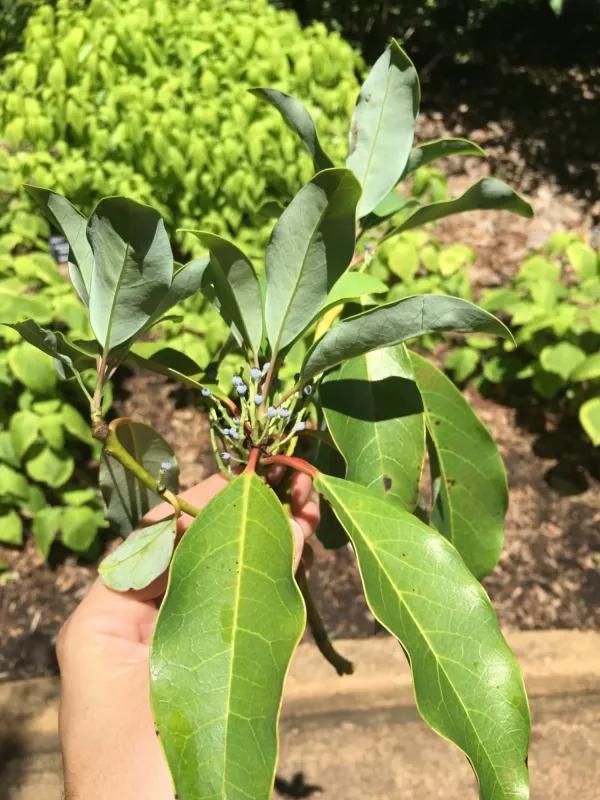
Description
Growing requirements
Daphniphyllum humile is a low-growing, evergreen shrub belonging to the Daphniphyllaceae family. It is widely recognized for its robust, glossy, dark green foliage that provides aesthetic appeal throughout the winter season.
Native to East Asia, specifically Japan and the Korean Peninsula, this plant typically thrives in woodland habitats. It is adapted to the conditions of a forest understory, preferring protection from intense light and harsh wind.
Successful cultivation requires soil that is rich in organic matter, slightly acidic, and possesses excellent drainage capabilities. Waterlogging is detrimental to the roots, so soil structure is a priority for successful growth.
The climate requirements for Daphniphyllum humile are quite specific, as it thrives in cool to temperate environments. In colder regions, the shrub requires winter protection or to be grown in containers to avoid damage from deep freezes.
This shrub is primarily used in landscape architecture as a groundcover for shaded areas or as a border plant in woodland-themed gardens. Its slow growth rate makes it a suitable candidate for managed urban landscapes.
Main diseases and pests
Root rot is the most common pathology for this species, usually triggered by stagnant water in the root zone. Proper soil drainage management is the primary preventative measure against this fungal threat.
Pests such as scale insects can infest the branches and leaves, depleting the plant's resources. Infestations should be managed early with horticultural oils or systematic insecticides to avoid severe stress.
Mealybugs are another group of insects that may attack the shrub, particularly in glasshouse conditions or regions with high humidity. Their presence is often detected by a white, cottony substance on the stems.
Preventative care involves ensuring good airflow around the shrub and avoiding overcrowding with other plants. Regular monitoring of the foliage for discoloration or presence of honeydew is recommended.
If chemical interventions are necessary, always select products labeled for ornamental shrubs to avoid phytotoxic damage. Adhering to balanced fertilization schedules also supports the plant's natural resistance to pests.