
Trichophorum alpinum
Trichophorum alpinum
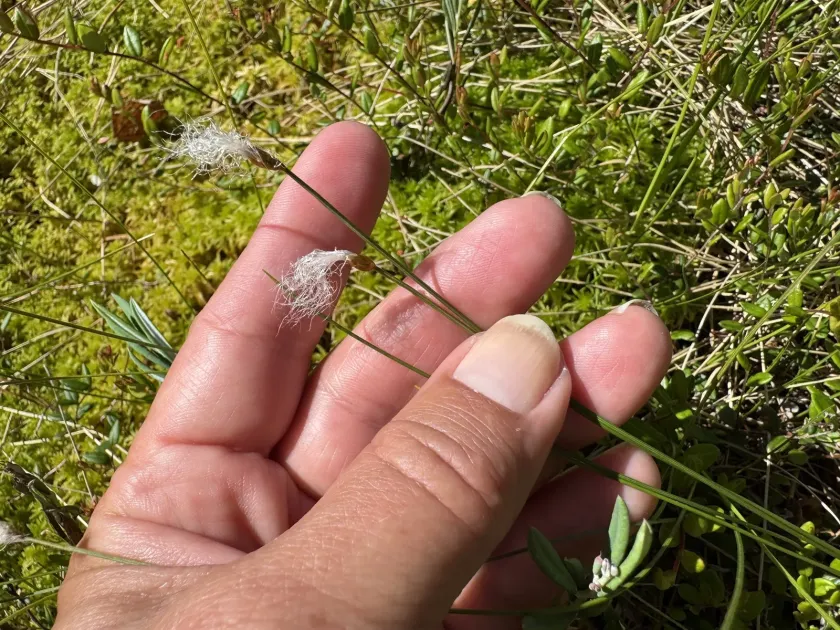
Description
Growing requirements
Trichophorum alpinum, commonly known as alpine deergrass or cotton deergrass, is a perennial herbaceous plant belonging to the Cyperaceae family. It is naturally found in peatlands, fens, and subarctic regions throughout the Northern Hemisphere.
The plant features slender, triangular stems arising from creeping rhizomes. Its growth habit is typically tufted, creating dense patches of foliage that remain relatively low to the ground, usually not exceeding 30 centimeters in height.
The most distinctive characteristic of this species is its reproductive structure. After flowering, the bristles of the spikelets elongate significantly, forming a soft, cotton-like head that gives the plant a snowy appearance during the late spring and summer months.
Cultivation requires conditions that mimic a natural bog environment. The plant thrives in acidic, waterlogged substrates with low nutrient availability. Full sun exposure is essential for maintaining the health and characteristic density of the grass-like clumps.
In terms of practical use, Trichophorum alpinum is highly valued by horticulturists and landscape designers for waterside plantings, bog gardens, and ecological restoration projects aiming to recreate wetland habitats.
Main diseases and pests
The primary threat to the stability of Trichophorum alpinum populations is the drainage of wetlands and peat bog degradation. As a highly specialized plant, it struggles to adapt to non-saturated soil conditions.
In cultivated settings, the plant is relatively resilient, but it can be susceptible to root rot if the water becomes stagnant and oxygen levels drop significantly during periods of high ambient temperature.
Pests are rarely a significant concern for this species. Occasionally, larvae of certain moth species may graze on the foliage, but such incidents usually remain below the threshold of economic damage in ornamental landscapes.
Management of fungal threats involves ensuring proper water circulation in the growing medium. Stagnant water can promote pathogen development, so providing a slight flow or refreshing the water periodically is recommended for healthy growth.
To ensure long-term vitality, growers should avoid synthetic fertilizers, which can alter the soil chemistry and negatively affect the plant's symbiotic root fungi. Maintaining the natural acidity of the substrate is the best form of protection.