
Scirpus supinus
Scirpus supinus L.
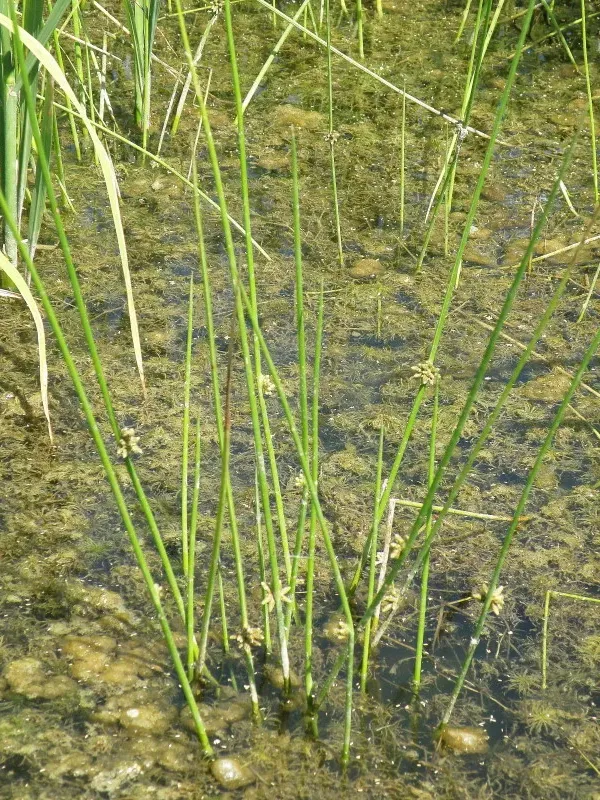
Description
Growing requirements
Scirpus supinus L., commonly known as the nodding bulrush, is an annual herbaceous plant belonging to the Cyperaceae family. It is primarily found in wetland ecosystems, including pond margins, marshes, and periodically flooded agricultural fields.
The plant has a wide distribution across Eurasia, thriving in temperate and tropical climatic zones. It prefers moist, silty soils that retain water and provide consistent nourishment throughout the vegetative period.
Botanically, it features slender, often curved stems ranging from 5 to 30 cm in height. The inflorescences are small, clustered spikelets often positioned near the base, which gives the plant its distinct appearance.
Regarding ecological requirements, Scirpus supinus demands high water availability. It is a hydrophytic species that performs best in warm, saturated environments where competition for light is manageable.
In agriculture, particularly in rice cultivation, this plant acts as a weed. It competes aggressively with rice seedlings for space and mineral nutrients, making it a target for weed management strategies in paddy field environments.
Main diseases and pests
Scirpus supinus is rarely affected by the major pathogens that target cereal crops, though it can harbor specific fungal species prevalent in aquatic environments. These fungi do not typically threaten the host plant itself.
In terms of pests, the plant is susceptible to various aquatic insects and larvae that consume submerged tissues. In large-scale cropping systems, selective herbicides are the primary method of population control.
The plant's resilience is largely attributed to its seed bank durability. Seeds can remain viable under flooded conditions for several years, ensuring the plant's reappearance in subsequent seasons.
Effective management requires integrated practices, including proper field drainage, precise water level regulation, and timely herbicide application to suppress competitive growth.
Biological studies suggest that the species has adapted effectively to human-altered landscapes, making it a persistent component of paddy field flora across its native range.