
Coccinia grandis
Coccinia grandis (L.) J. Voigt
Description
Sowing dates
Coccinia grandis, commonly known as ivy gourd, is a perennial herbaceous vine in the Cucurbitaceae family. In tropical climates, it is planted year-round, ideally at the onset of the rainy season when soil moisture is consistent and temperatures are optimal.
The plant is highly vigorous, requiring a spacing of 1.5 to 2 meters between individual plants. When propagating by cuttings, segments about 30–40 cm long are planted directly into well-prepared soil mounds, providing immediate support for climbing.
Seed germination can be enhanced by soaking in warm water for 12–24 hours before sowing. In temperate zones, it is treated as an annual crop, started in seedling trays and transplanted outdoors only after all risk of frost has passed.
Preparing the soil with ample organic matter is essential for vigorous growth. The use of trellises, nets, or vertical supports is a mandatory agricultural practice, as the vine needs to climb to optimize sunlight exposure and fruit production.
Thinning is performed once true leaves appear. Applying mulch around the root zone helps maintain soil moisture levels and effectively suppresses weed competition during the critical early stages of vegetative development.
Growing requirements
As a tropical crop, Coccinia grandis requires consistently warm temperatures, ideally between +20°C and +35°C. Exposure to freezing temperatures causes severe damage to the foliage, making greenhouse cultivation necessary in colder climates.
The crop thrives in well-drained, fertile loam or sandy soils with a pH ranging from 6.0 to 6.8. Waterlogging must be strictly avoided, as it leads to root decay and encourages the spread of fungal pathogens.
High light intensity is crucial for flowering and fruit set. Plants grown in shaded areas tend to exhibit excessive vegetative growth at the expense of yield, emphasizing the need for full-sun exposure in the cultivation site.
Regular but moderate irrigation is required. Maintaining constant soil moisture during the active growth phase is vital, although reducing water slightly during the fruit maturation period improves flavor and sweetness.
Fertilization with nitrogen-rich inputs is recommended during the early vegetative phase, switching to phosphorus and potassium-based fertilizers as the plant begins to flower to support fruit quality.
Yield
When managed properly, Coccinia grandis is a highly productive crop. A single healthy vine can yield between 15 and 25 kilograms of fruit per season, making it a viable and profitable option for commercial tropical vegetable growers.
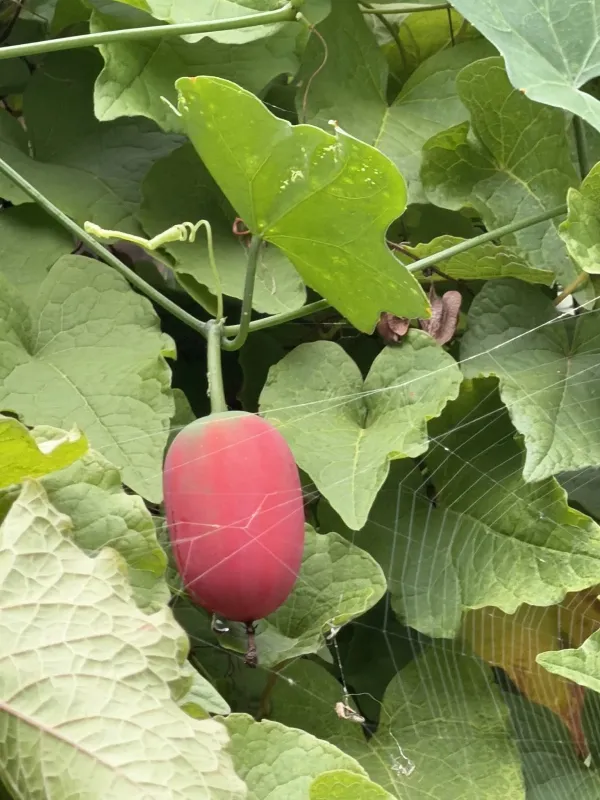
The fruits are oblong and grow to approximately 5–10 cm in length. They are typically harvested in the immature, green-striped stage for vegetable use, while fully ripe fruits turn a bright, soft red, indicating a sweet, juicy pulp.
Harvesting usually begins 3 to 4 months after initial planting. The plant continues to produce fruit over several months, provided that ripe fruits are regularly harvested, which triggers the vine to produce new blossoms.
Implementing drip irrigation significantly boosts marketable yields. This method ensures an even water supply, which minimizes fruit deformation and enhances the overall shelf life and presentation of the produce.
In addition to the fruits, the tender young leaves and shoot tips are commonly used as nutritious leafy vegetables, providing an extra source of income and nutritional value for the farm.
Main diseases and pests
Aphids and spider mites are the most significant pests, particularly during dry spells. Biological control methods, such as using neem oil or periodic light misting of the foliage, are effective in managing these pest populations.
Root-knot nematodes pose a serious threat to the crop. Practicing crop rotation and planting nematode-suppressing cover crops are essential strategies for protecting the root system in long-term cultivation.
Fungal diseases like powdery mildew often occur in high-humidity conditions or when planting density is too high. Proper vine spacing and training are vital to ensuring good airflow throughout the canopy.
Anthracnose can affect both leaves and fruits if the humidity remains too high and drainage is poor. Immediate removal and disposal of infected plant material are necessary to stop the spread of the pathogen.
- Regular inspection of the underside of leaves for pests.
- Ensuring proper spacing to facilitate adequate ventilation.
- Using high-quality, disease-free starting material.
- Mulching to prevent fruit from contacting contaminated soil.
Harvesting
Harvesting Coccinia grandis requires care, as the skin of the immature fruit is delicate. For culinary purposes, fruits are picked while they are still firm, dense, and green-colored.
For seed collection or fresh consumption in ripe form, fruits should be allowed to remain on the vine until they turn fully red, at which point they become soft and sweet, similar to a berry.
Fruits should be harvested using sharp scissors or pruning shears. Pulling the fruit by hand can damage the vine or the fragile peduncle, potentially harming future growth nodes on the stem.
The shelf life of the harvested fruit is relatively short. They should be marketed or consumed within 3 to 5 days, though refrigerated storage at +8°C can extend this period to about 10–12 days.
At the end of the season, all plant debris should be cleared from the field to ensure that no pathogens survive in the soil or crop residue, preparing the site for the next planting cycle.