
Costus pulverulentus
Costus pulverulentus C. Presl
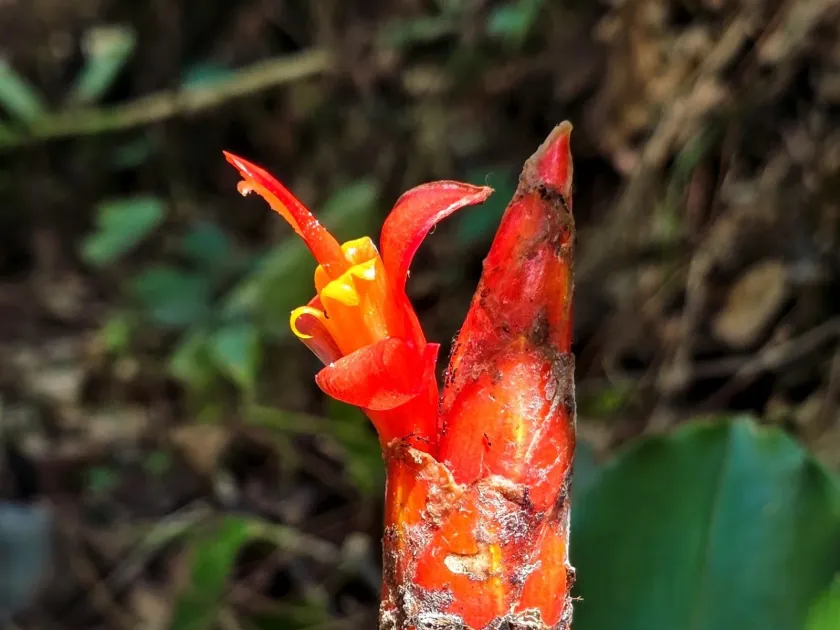
Description
Growing requirements
Costus pulverulentus is a perennial plant native to the tropical forests of Central and South America. As a member of the Costaceae family, it thrives in environments that mimic its natural habitat, characterized by high humidity and consistent temperatures.
For successful cultivation, the plant requires a warm climate with temperatures typically ranging between 20°C and 28°C. It is highly intolerant of frost, and any exposure to freezing conditions will result in significant damage to the plant's vegetative organs.
The soil should be rich in organic matter, loose, and possess excellent drainage capabilities. Waterlogging is a major risk for this species, so maintaining a balance between soil moisture and aeration is essential for healthy root development.
The plant performs best under partial shade or bright, filtered light. Exposure to intense, direct sunlight can result in leaf scorching, which diminishes the ornamental value of the large, distinctively textured foliage.
In terms of agricultural and horticultural use, Costus pulverulentus is primarily cultivated as an ornamental plant in tropical and subtropical regions. Its unique morphology makes it a sought-after species for specialty gardens and greenhouse displays.
Main diseases and pests
The most significant threats to Costus pulverulentus are fungal infections, particularly root rot, which typically occur when the soil is kept overly wet for prolonged periods without adequate oxygenation.
Common pests associated with this plant include spider mites and mealybugs. These organisms often thrive in warm, stagnant environments, feeding on the undersides of leaves and extracting vital plant juices.
To mitigate the risk of pest outbreaks, growers should practice regular sanitation, removing dead plant matter and ensuring that the foliage is not constantly wet, which encourages the growth of mold.
Chemical control measures should be applied cautiously, focusing on target-specific acaricides or insecticides, as the plant can be sensitive to certain harsh chemicals applied to its soft, pubescent leaves.
Maintaining adequate spacing between specimens in a greenhouse environment is critical to improve airflow, which acts as a primary preventative measure against most common fungal and bacterial pathogens.