
Costus curvibracteatus
Costus curvibracteatus Maas
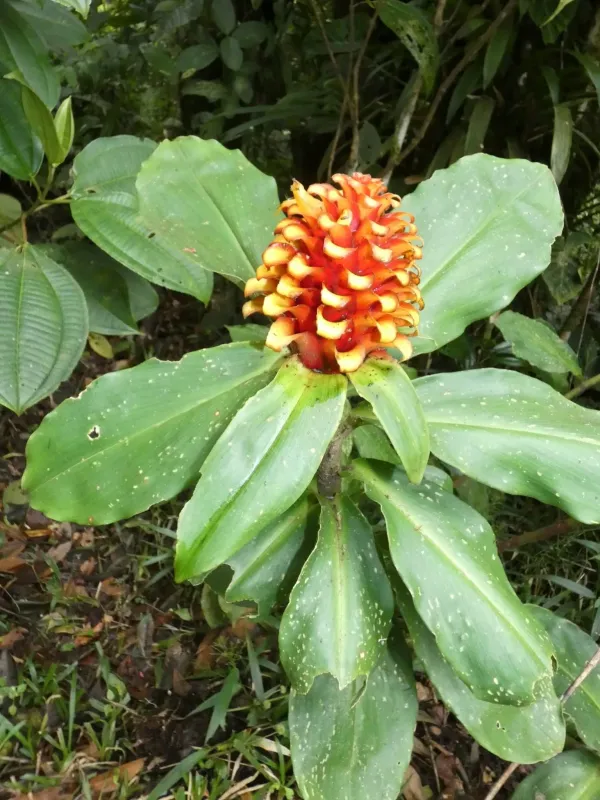
Description
Growing requirements
Costus curvibracteatus, commonly known as a type of spiral ginger, is a member of the Costaceae family. Native to the tropical rainforests of Central America, this plant is cherished for its striking orange-red inflorescences and spiral growth pattern.
The plant thrives in warm, humid tropical environments. It requires a constant temperature range between 20 and 30 degrees Celsius to maintain active vegetative growth, making it unsuitable for outdoor cultivation in temperate regions.
Soil composition is critical for this species. It prefers a rich, organic-based substrate that is porous and well-draining. A mixture of high-quality peat moss, compost, and perlite provides the best balance for root development.
Light requirements for Costus curvibracteatus involve bright, filtered light. While the plant loves warmth, direct tropical sunlight can scorch the foliage, leading to yellowing and necrotic patches on the leaves.
Adequate moisture is essential throughout the growing season. The plant should be watered regularly, ensuring the soil remains moist to the touch but never waterlogged. High ambient humidity, ideally above 60%, is recommended for vigorous health.
Main diseases and pests
The primary threats to Costus curvibracteatus are fungal root rot and crown rot, which are almost exclusively triggered by overwatering or poor soil drainage. Ensuring sufficient aeration is the first line of defense.
Spider mites are the most persistent pest in indoor or greenhouse conditions. They thrive in dry air, so maintaining high humidity and using misting systems is an effective preventive measure against infestation.
Mealybugs can often be found hiding in the leaf axils or near the base of the inflorescence. These pests weaken the plant by sap-sucking; manual removal or the application of horticultural soap is usually effective if caught early.
Fungal leaf spot diseases can occur if the foliage is kept constantly wet without proper air circulation. Always water at the base of the plant rather than over the top to keep leaves dry.
Consistent monitoring for discoloration or wilting is vital. If signs of stress appear, adjust the light and humidity levels immediately and apply appropriate systemic fungicides if a fungal infection is confirmed.