
Costus cylindricus
Costus cylindricus
Description
Growing requirements
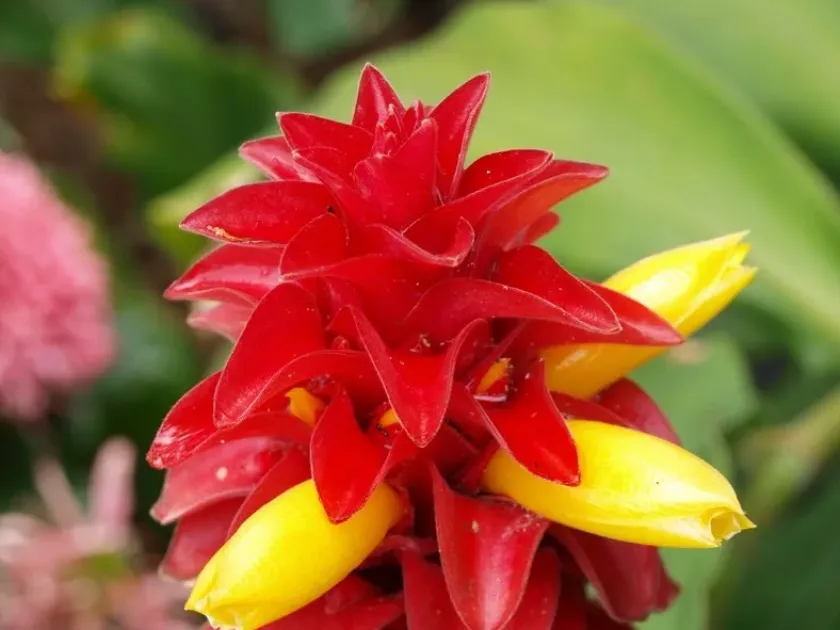
Costus cylindricus, often known as a type of spiral ginger, belongs to the Costaceae family. This perennial tropical plant is native to the rainforest regions of Central and South America, where it typically grows in humid and shaded understory environments.
The plant requires a tropical climate to thrive, demanding consistent temperatures between 22°C and 28°C. It is extremely cold-sensitive and requires protection from any temperature drops below 15°C to avoid tissue damage.
Soil requirements for this species are specific: it needs a well-draining, nutrient-rich substrate. A mix consisting of peat, organic compost, and perlite or coarse sand provides the necessary aeration and moisture retention balance for its root system.
Regarding light, Costus cylindricus prefers bright, indirect light. While it can handle some dappled sun in its natural habitat, intense midday sunlight can scorch the foliage, leading to unsightly brown patches and weakened plant structure.
The primary use of this crop is ornamental. Its striking cylindrical inflorescences and spiraling leaf arrangement make it a sought-after specimen for conservatory displays and indoor tropical gardens.
Main diseases and pests
The most common threat to this plant is root rot, which typically stems from overwatering or inadequate soil drainage. When the roots remain in waterlogged conditions, they lose the ability to transport nutrients effectively, leading to plant death.
Pests such as spider mites and mealybugs are significant challenges. These insects thrive in dry air, which is why maintaining high ambient humidity is not only a cultural requirement but also a primary form of pest prevention.
Fungal leaf spot diseases can occur if the foliage remains wet for extended periods in environments with poor air circulation. Improving ventilation around the plant is critical to mitigating the spread of such infections.
Scale insects may also attach to the base of the stems, slowly extracting plant sap. If left untreated, they can cause stunted growth and a general decline in the plant's overall health and aesthetic appeal.
Regular inspection of the leaf undersides and the stem base allows for early detection of potential outbreaks. Using appropriate systemic pesticides or biological controls is recommended for severe infestations.