
Falkia repens
Falkia repens
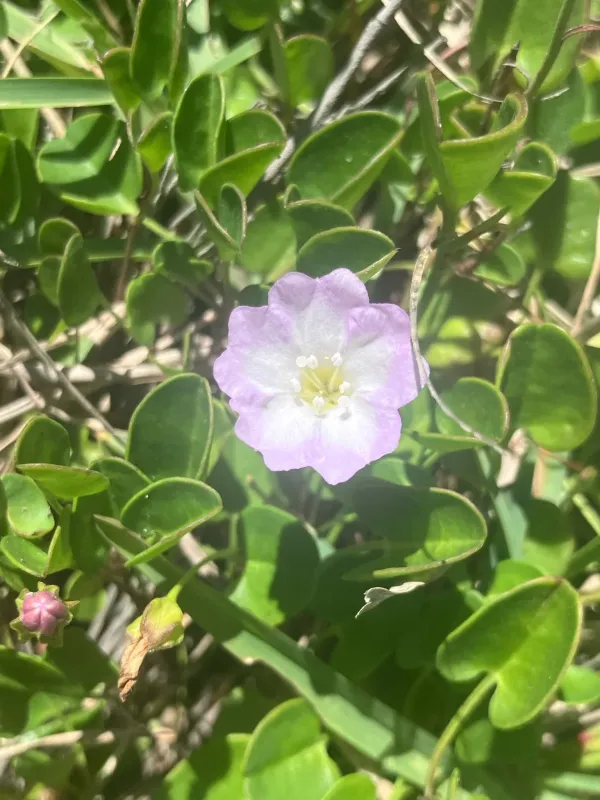
Description
Sowing dates
The propagation of Falkia repens is primarily carried out through vegetative methods, such as division of the root system or stem cuttings during the spring season. The optimal time for planting is late spring, once the risk of frost has passed and the soil has warmed up sufficiently.
When propagating via seeds, keep in mind that germination can be uneven, so pre-sowing stratification is highly recommended. Seeds should be sown in a light, well-draining substrate while maintaining consistent moisture until emergence.
To establish a dense carpet, seedlings or rooted cuttings should be spaced approximately 20–30 centimeters apart. As the plant spreads, it develops a thick turf that effectively prevents soil erosion in landscaping applications.
In regions with mild climates, planting can also be performed in early autumn to allow the roots to establish before the onset of extreme cold. However, spring remains the preferred window for vigorous plant development.
When selecting a site, remember the plant's aggressive creeping habit. It is important to define clear borders to prevent the plant from encroaching into areas where it is not desired within mixed garden designs.
Growing requirements
Falkia repens, a member of the Convolvulaceae family, is a low-growing perennial native to South Africa. It is highly valued for its adaptability to varying light conditions, although it performs best in sunny positions to ensure consistent flowering.
This crop requires specific soil conditions: it thrives in light, sandy, or loamy soils with excellent drainage. Water stagnation in the root zone can lead to crown rot, making proper drainage design a critical factor for success.
While the plant shows moderate drought tolerance, it requires regular irrigation during active growth stages. A lack of moisture will result in stunted development and a loss of the characteristic vibrant green foliage color.
In colder climates, Falkia repens requires winter protection or should be grown in containers. The plant does not tolerate prolonged frozen ground and is sensitive to cold, drying winter winds that can cause tissue damage.
Good agrotechnical practices include the periodic application of balanced mineral fertilizers during the spring and summer. This helps stimulate new lateral shoot growth and ensures an abundance of small, cup-shaped flowers throughout the season.
Main diseases and pests
Falkia repens generally exhibits high resistance to most common agricultural diseases. However, when irrigation is managed improperly or air circulation is restricted, the risk of fungal infections such as root rot increases significantly.
The primary pests affecting this species include slugs and snails, which can cause significant damage to the succulent leaves during damp weather. To protect your planting, maintain a clean environment by removing debris and weeds.
In cases of severe pest infestation, appropriate contact insecticides may be applied. It is essential to strictly follow the manufacturer's dosage instructions to avoid phytotoxicity to the plant's sensitive foliage.
Prophylaxis against disease involves managing planting density appropriately. Overcrowded conditions trap excess humidity, creating a microclimate that favors the rapid spread of pathogenic microorganisms and fungal spores.
Consistent sanitation of the growing area, including the removal of dead plant material and old foliage, is a highly effective way to minimize the risk of infection and reduce habitats for harmful insects.