
Cnestis palala
Cnestis palala
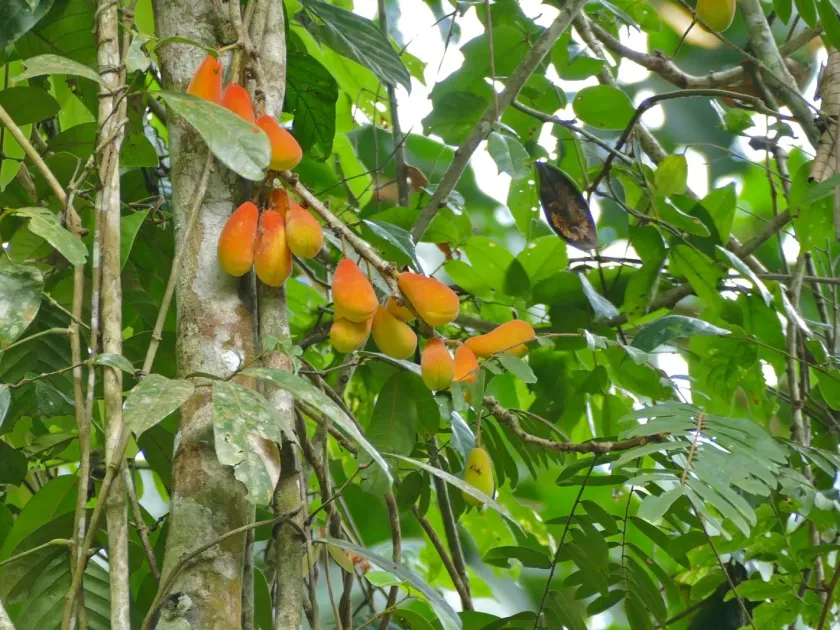
Description
Growing requirements
Cnestis palala is a woody vine that belongs to the Connaraceae family. This species is native to the tropical forests of Southeast Asia, thriving in the dense, high-humidity environments of regions like Malaysia, Thailand, and Indonesia.
The plant requires a tropical climate characterized by consistently high temperatures and significant rainfall throughout the year. It does not tolerate frost or cold drafts, which makes it strictly a tropical species unsuitable for cooler climates.
Soil requirements for Cnestis palala include well-draining, nutrient-rich substrates, often resembling the leaf-littered forest floor. A neutral to slightly acidic pH is considered ideal for optimal nutrient uptake in this botanical species.
Regarding light, it prefers shaded or semi-shaded areas, mimicking the understory light conditions of its natural habitat. Direct, intense sunlight can stress the foliage and may lead to dehydration if the humidity levels are not properly maintained.
Agricultural management for this species involves ensuring adequate support structures, as it is a climber by nature. Regular monitoring of soil moisture is essential, as the plant responds poorly to prolonged drought stress.
Harvesting
In traditional practices, Cnestis palala is primarily harvested for its medicinal properties. Various parts of the plant, including the roots and bark, are collected for their documented anti-inflammatory and antiseptic effects in regional folk medicine.
The harvest must be conducted with care to ensure the sustainability of the plant population. Collectors typically harvest only portions of the roots and bark, allowing the parent plant to recover over subsequent growing seasons.
Post-harvest processing involves drying the plant material in well-ventilated, shaded areas. This method is critical for preserving the integrity of the secondary metabolites and active compounds contained within the plant tissues.
Scientific research into Cnestis palala continues to focus on isolating chemical constituents for pharmaceutical development. Due to its potent biological activity, any medicinal use should be supervised by professionals to avoid adverse side effects.
Apart from medicinal applications, the sturdy stems of the vine are utilized in local handicrafts. Their natural flexibility makes them useful for weaving and binding applications in rustic agricultural setups.