
Wurmbea
Wurmbea hybrids
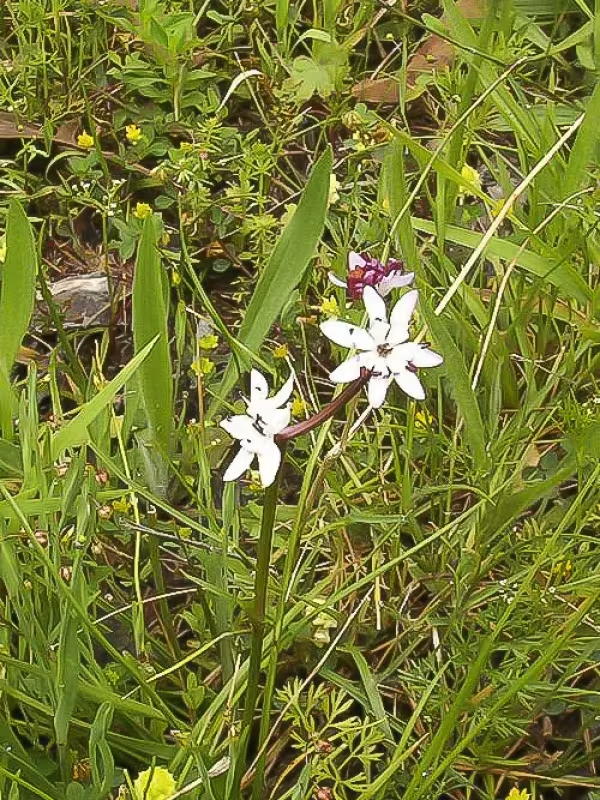
Description
Growing requirements
Wurmbea is a genus of perennial bulbous plants belonging to the Melanthiaceae family. This ornamental crop is recognized for its unique floral architecture and specific seasonal growth requirements, making it a specialized subject for horticultural cultivation.
Originating from Southern Africa and Australia, these plants have adapted to Mediterranean-type climates with distinct wet and dry seasons. Successful cultivation requires a well-draining substrate, typically a mixture of sand and organic matter, to ensure the bulbs do not rot during dormant periods.
The climate requirements dictate a period of active growth during cooler, wet months, followed by a warm, dry dormancy period. If grown outside their native range, greenhouse protection is mandatory to regulate temperature and moisture levels effectively.
High light intensity is essential for the photosynthesis and energy storage required for annual flowering. Providing sufficient solar exposure ensures the plant remains compact and prevents the etiolation that occurs in low-light environments.
Agricultural practices for Wurmbea focus on irrigation management. Water should be supplied sparingly as the foliage emerges and must be completely withheld once the foliage begins to senesce to trigger the necessary dormancy cycle.
Main diseases and pests
The primary threats include fungal pathogens such as Botrytis and various bulb rots, which are often exacerbated by poor drainage and inadequate air circulation. Maintaining a sterile growing environment is key to plant longevity.
Pests like aphids and bulb mites can infest the foliage or the bulb tissue respectively. Integrated pest management, including regular inspection and the use of appropriate dormant-season treatments, is recommended to keep the crop healthy.