
Wurmbea stricta
Wurmbea stricta
Description
Growing requirements
Wurmbea stricta is a perennial bulbous plant belonging to the Melanthiaceae family. Native to the southern regions of Africa, this species is naturally found in moisture-rich habitats, including seasonal wetlands, marshy meadows, and along riverbanks.
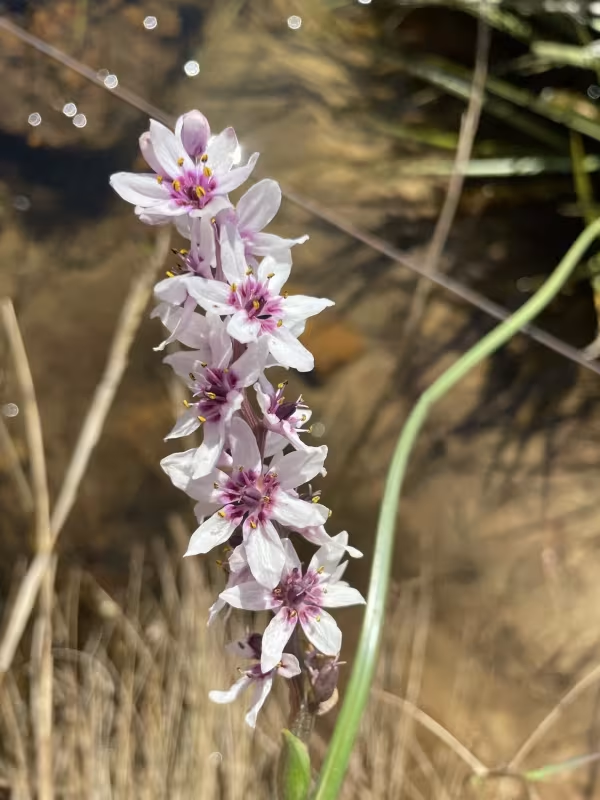
The plant is characterized by a small, fleshy bulb that produces narrow, linear leaves and an upright inflorescence. Its flowers, typically arranged in a spike, offer a variety of colors and a subtle, pleasant scent, contributing to its aesthetic appeal in botanical collections.
Climate requirements for successful growth revolve around a Mediterranean-type cycle, where the plant thrives in moist conditions during its active growing phase. Providing a distinct dry season is essential for the plant to enter dormancy, which is necessary for the cycle to continue.
Regarding soil, Wurmbea stricta prefers a substrate that mimics its natural environment: porous, well-draining, yet capable of retaining moisture when needed. A blend containing leaf mold, sand, and horticultural grit is generally recommended for optimal root development.
Effective agronomic management requires precise water control. During the dormancy phase, keeping the substrate dry is critical to prevent the bulb from decaying, as it remains metabolically sensitive to excess water throughout the resting period.
Main diseases and pests
The primary threat to Wurmbea stricta in cultivation is fungal infection, particularly bulb rot. This condition is almost exclusively linked to improper irrigation management, specifically during the plant's dormant cycle when oxygen levels around the bulb become depleted by excess moisture.
Pests that frequently target this species include thrips and fungus gnats, both of which can damage the bulb and reduce the plant's vigor. Utilizing sterile planting mediums and routine inspections can significantly lower the probability of infestation.
Monitoring the plant for signs of chlorosis or leaf tip necrosis is important, as these are often early indicators of root system failure or suboptimal pH levels in the growing medium.
Integrated pest management (IPM) strategies, including the use of targeted biological controls and appropriate fungicides, are recommended for large-scale or collection-based cultivation to ensure plant longevity.
Cultural practices such as spacing plants adequately to ensure good airflow are essential. Poor ventilation in greenhouses can exacerbate conditions that favor the rapid spread of molds and bacteria across the surface of the bulbs and foliage.