
Wurmbea dioica
Wurmbea dioica
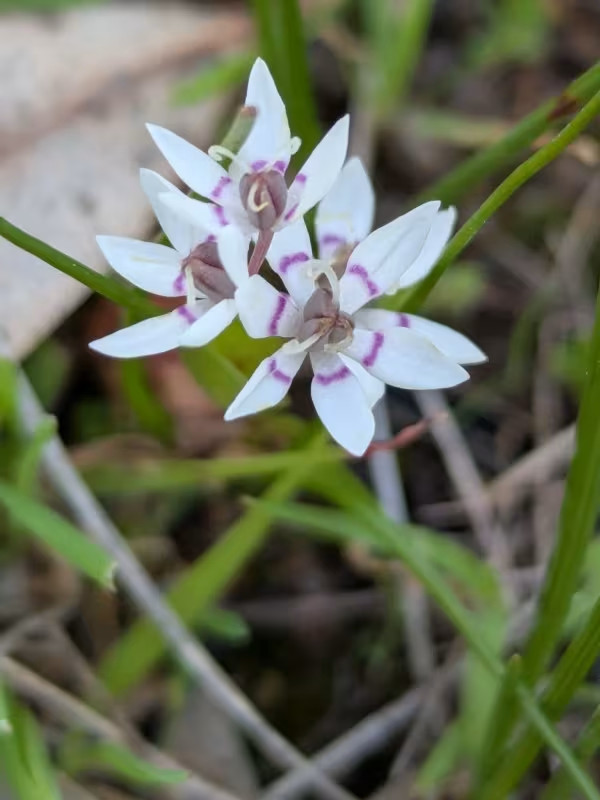
Description
Sowing dates
Wurmbea dioica, commonly known as Early Nancy, is a member of the Colchicaceae family, characterized by its distinct bulbous growth habit.
Propagation is primarily achieved through seeds sown in late autumn, which allows the seeds to undergo natural cold stratification required for germination.
A well-draining sandy or grit-heavy substrate is essential to mimic the plant's native Australian environment and prevent seed dampening.
Seeds should be covered very lightly, as deep burial can inhibit the growth of the cotyledon and delay the overall development of the seedling.
Seedlings generally require a significant amount of time to reach maturity, with bulb development occurring over several successive growing seasons.
Growing requirements
This species thrives in open, sunny positions and requires soils that have excellent drainage to avoid waterlogging during the dormant period.
Climate adaptability is tied to its native Australian distribution, meaning it prefers cool, moist winters followed by warm, dry springs and summers.
The plant is sensitive to excessive summer irrigation, which can disrupt the natural dormancy cycle and lead to physiological stress.
Nutritional requirements are relatively low; however, potassium-based fertilizers can support healthy bulb formation during the early growth phase.
In container culture, it is vital to ensure that the container size matches the root mass to avoid excessive moisture retention in the potting mix.
Main diseases and pests
Fungal pathogens represent the most significant threat to Wurmbea dioica, particularly when exposed to humid conditions without adequate air circulation.
Bulb rot, caused by various soil-borne fungi, is a frequent issue that arises from improper watering techniques or poor soil permeability.
Pests such as mites and root-feeding nematodes can damage the bulb tissue, making the plant susceptible to secondary bacterial infections.
Gastropods like snails and slugs are notorious for feeding on the foliage of emerging plants during the onset of the spring growing season.
Effective management involves maintaining dry conditions during dormancy and ensuring that all environmental parameters are closely monitored.