
Forest mangosteen
Garcinia gerrardii
Description
Growing requirements
Garcinia gerrardii, commonly referred to as the forest mangosteen, belongs to the family Clusiaceae. This species is native to the coastal forests of South Africa, where it thrives in humid, shaded environments protected from direct, harsh sunlight.
The plant requires a specific climatic niche to flourish, characterized by consistent temperatures throughout the year. As a tropical to subtropical species, it cannot withstand frost, making its cultivation area restricted to warm, maritime-influenced regions.
Soil requirements for the forest mangosteen involve well-drained, fertile soil enriched with organic matter. The pH level should ideally be neutral or slightly acidic to ensure optimal nutrient uptake for the tree.
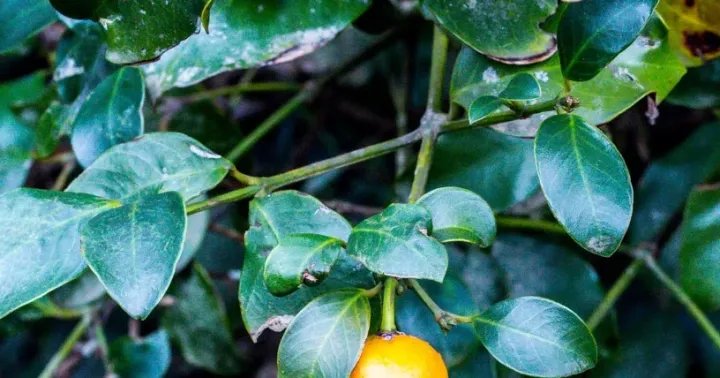
Botanically, the species is defined by its dense, glossy foliage and leathery leaves. It grows as an evergreen tree, maintaining its canopy year-round, which requires careful management of spacing to prevent overcrowding in orchard setups.
Economically, the tree is cultivated primarily for its edible fruit, which possesses unique culinary properties. Beyond agriculture, its aesthetic appeal makes it a valuable asset for reforestation projects and sustainable agroforestry in its native habitats.
Main diseases and pests
Fungal pathogens represent the primary threat to Garcinia gerrardii, especially when cultivated in conditions of poor air circulation. Pruning the lower branches and thinning the canopy are essential practices to reduce humidity levels.
Scale insects and mealybugs are the most common pests that affect the vigor of the trees. These pests often settle on the underside of leaves or on succulent stems, necessitating frequent monitoring and targeted treatment.
Nutrient deficiency, particularly of trace elements, can lead to reduced fruit set and leaf chlorosis. Implementing a balanced fertilization program that includes organic compost is vital for sustaining long-term productivity.
Weed management around the base of the tree is crucial to prevent competition for resources and to eliminate habitats for various agricultural pests. Utilizing organic mulch helps in moisture retention and soil health.
Implementing an integrated pest management (IPM) strategy is recommended to maintain the health of the orchard. By prioritizing biological controls, farmers can minimize the impact of pests while ensuring that the fruit remains safe for consumption.