
Lechea tripetala
Lechea tripetala
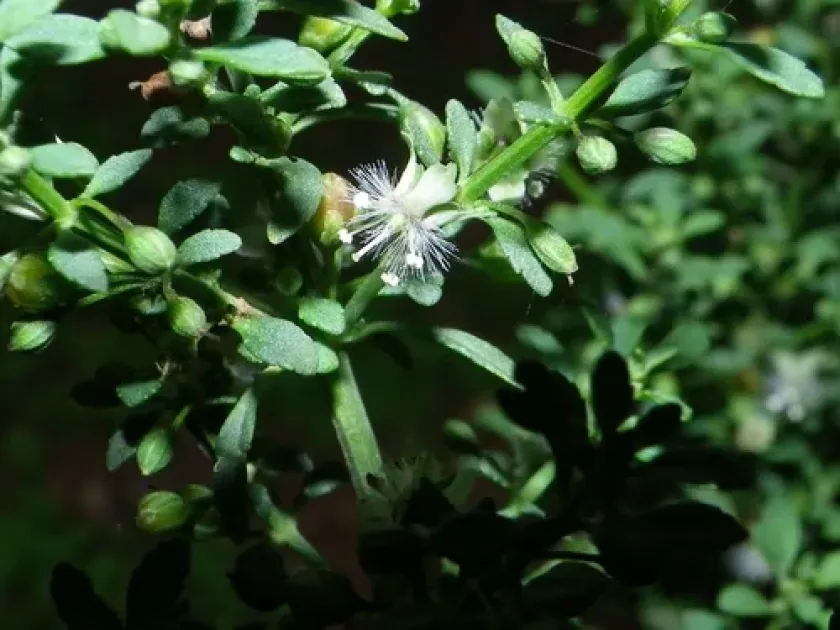
Description
Growing requirements
Lechea tripetala is a perennial herbaceous plant belonging to the Cistaceae family. Native to North America, it is recognized for its ability to thrive in challenging environments where few other species can successfully establish themselves.
The plant demonstrates a strong preference for well-drained, sandy, or gravelly soils. It is well-adapted to nutrient-poor substrates, reflecting its evolutionary success in occupying open woodlands and dry, exposed fields.
Lechea tripetala exhibits significant drought tolerance, supported by an efficient root system that draws moisture from deep within the soil profile. It requires full sun exposure to maintain optimal physiological activity and biomass accumulation.
Climate requirements for this species are centered around temperate zones with distinct seasonal variations. The plant undergoes a necessary dormancy period during colder months, which is essential for its long-term survival and spring regrowth.
Cultivation practices must prioritize soil aeration and prevent waterlogging, as the species is highly susceptible to root rot if exposed to saturated conditions. Management should minimize soil disturbance to protect the integrity of the root zone.