
Common rock-rose
Helianthemum nummularium (L.) Mill.
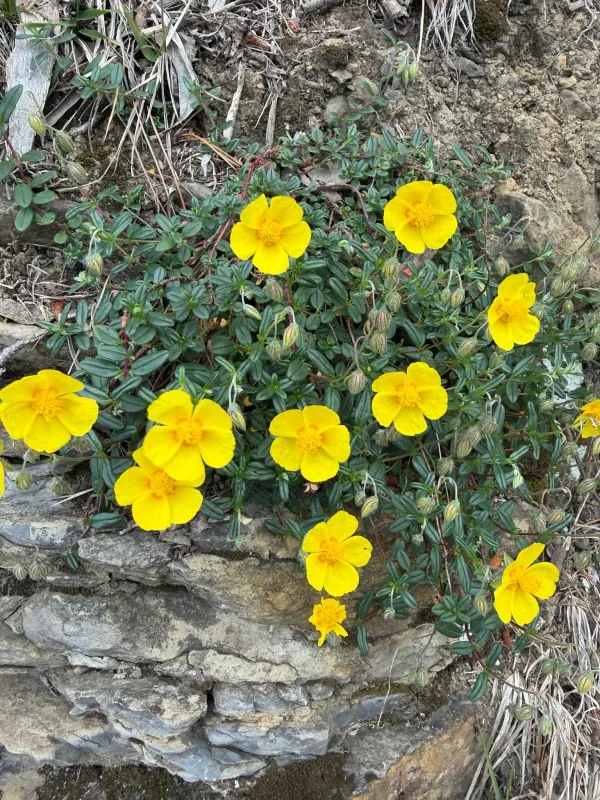
Description
Sowing dates
Propagation of the common rock-rose (Helianthemum nummularium) is typically carried out in early spring, from March to April, using a greenhouse or indoor sowing method. Seeds should be sown in a light, well-draining substrate, pressed lightly into the surface rather than buried deep.
Germination requires a temperature range of 18-20 degrees Celsius with consistent moisture levels. Once the seedlings develop enough strength, they are transplanted into individual pots before being moved to their final outdoor location once the threat of frost passes.
Vegetative propagation via semi-hardwood cuttings is also a highly effective method, usually performed in late summer. This approach ensures the offspring maintain the exact characteristics of the parent plant, which is crucial for specific ornamental varieties.
Cuttings are placed in a sandy peat mixture under glass or plastic covers to maintain the necessary humidity levels. Careful monitoring is required to prevent rotting before the roots establish properly in the soil medium.
When transplanting into the landscape, space the plants about 30-40 centimeters apart. This spacing is vital to allow for mature spread and to ensure adequate airflow, which prevents moisture accumulation in the foliage.
Growing requirements
Helianthemum nummularium, a member of the Cistaceae family, is a true xerophyte that thrives in challenging environments. The primary requirement for this crop is intense sunlight, as it will rapidly lose its vigor and stop flowering if kept in shade.
The plant is not demanding regarding soil quality, preferring lean, dry, stony, or sandy substrates with excellent permeability. Alkaline soils or those rich in lime content are particularly beneficial for its development.
This species is well-known for its frost resistance and drought tolerance. However, stagnant water around the root collar is fatal to the plant, making a high-quality drainage layer essential in heavy or clay-based soil types.
The ideal climate for rock-rose involves regions with high solar radiation and low humidity. In areas prone to high moisture, regular inspection is necessary to manage the microclimate and avoid potential fungal outbreaks.
A key agronomic practice is pruning back the stems by one-third immediately after flowering. This maintenance technique encourages dense bush formation and rejuvenates the plant for the following season.
Main diseases and pests
Root rot is the most serious threat to the common rock-rose, usually caused by overwatering or poor drainage. This condition manifests as yellowing foliage and sudden wilting, which often leads to the death of the specimen.
In cases of overcrowded planting, the crop may become susceptible to powdery mildew. Ensuring proper plant density and removing dead organic matter from around the base are standard preventive measures to maintain plant health.
Aphids are the most frequent pests, attacking the soft, tender tissues of young shoots and buds. If infestations become severe, the use of systemic insecticides is recommended to protect the ornamental value of the plant.
Thrips can also affect the vigor of the plant by feeding on the leaf surface. Regular scouting during the peak growing season allows for early intervention, preventing damage from spreading across the entire patch.
Overall, Helianthemum nummularium is a hardy plant with low susceptibility to diseases when cultivated in appropriate conditions. Its resilience is tied directly to the balance of light, warmth, and excellent soil drainage.