
Siphonodon celastrineus
Siphonodon celastrineus
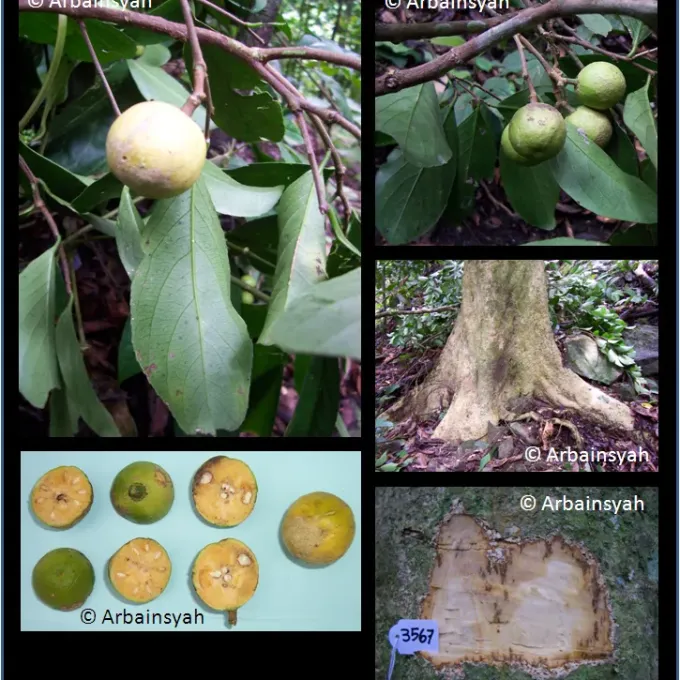
Description
Growing requirements
Siphonodon celastrineus is a distinct evergreen tree species classified within the family Celastraceae. Originally native to tropical regions of Southeast Asia and Australia, this tree has adapted to thrive in specific environmental niches characterized by high humidity and consistent warmth.
The primary cultivation requirement for this species is a tropical climate that remains frost-free throughout the entire year. Sudden temperature fluctuations can severely stress the plant, hindering its growth and reducing its overall physiological resilience.
Regarding soil conditions, Siphonodon celastrineus performs best in fertile, well-drained loamy soils. It is essential to ensure that the site provides excellent drainage, as the species is highly sensitive to waterlogging, which can lead to rapid root decay and plant mortality.
Agricultural management should focus on maintaining consistent soil moisture, especially during the establishment phase. Applying balanced organic fertilizers is recommended to support continuous vegetative growth and improve the structural integrity of the canopy.
While seedlings may tolerate partial shade, mature specimens require full sun exposure to maintain optimal photosynthetic rates. Ensuring adequate spacing between trees is crucial for promoting air circulation and reducing the risk of fungal infections within the dense foliage.
Harvesting
The economic utility of Siphonodon celastrineus is primarily centered on its fruit production. The fruits are generally harvested once they reach physiological maturity, which is indicated by specific changes in skin color and texture, signaling that the pulp is ready for consumption.
Harvesting strategies involve hand-picking to avoid bruising the delicate fruit surface. Post-harvest management includes keeping the fruits in a cool, well-ventilated environment to extend their shelf life before they are utilized for local markets or processing into various food products.