
Siphonodon australis
Siphonodon australis
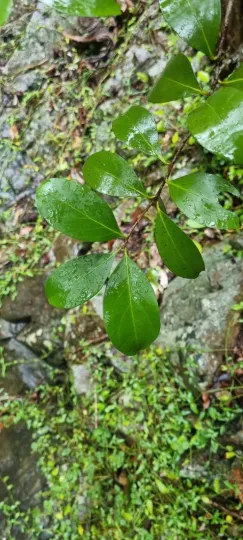
Description
Growing requirements
Siphonodon australis, commonly known as ivorywood, belongs to the Celastraceae family. It is an evergreen tree native to the subtropical and tropical rainforests of eastern Australia.
The tree thrives in fertile, well-draining soils rich in organic matter. It is highly sensitive to waterlogged conditions, which can lead to rapid root decay in poor-draining clay soils.
Climatically, it prefers warm, humid environments. While mature specimens demonstrate some tolerance to cooler temperatures, they must be protected from frost and harsh, desiccating winds to remain healthy.
In cultivation, providing a sheltered position with dappled sunlight is ideal for young plants. Consistent moisture management is essential to simulate the rainforest conditions the tree naturally inhabits.
Agricultural maintenance involves regular mulching to keep the root zone cool and provide a steady supply of nutrients, mimicking the natural leaf litter layer found in its native habitat.
Harvesting
The harvest consists of gathering small, yellow, rounded drupes that develop after the flowering period. Timing the harvest is critical to ensuring the highest quality of the fruit.
Manual harvesting is the preferred method to prevent damage to the delicate skin of the fruit. Growers typically inspect the trees frequently to collect fruits at the peak of their maturity.
Post-harvest handling requires immediate storage in cool, ventilated conditions to prolong shelf life. The fruits are primarily used for their biological significance and potential local consumption.
Seed collection is a vital part of the harvest for nurseries focused on propagating this native species. Seeds should be extracted carefully from fully ripe, healthy fruits.
Strategic harvesting helps in managing the tree's energy for the next growing season, promoting structural health and ensuring continuous production in the following years.