
Schaefferia cuneifolia
Schaefferia cuneifolia
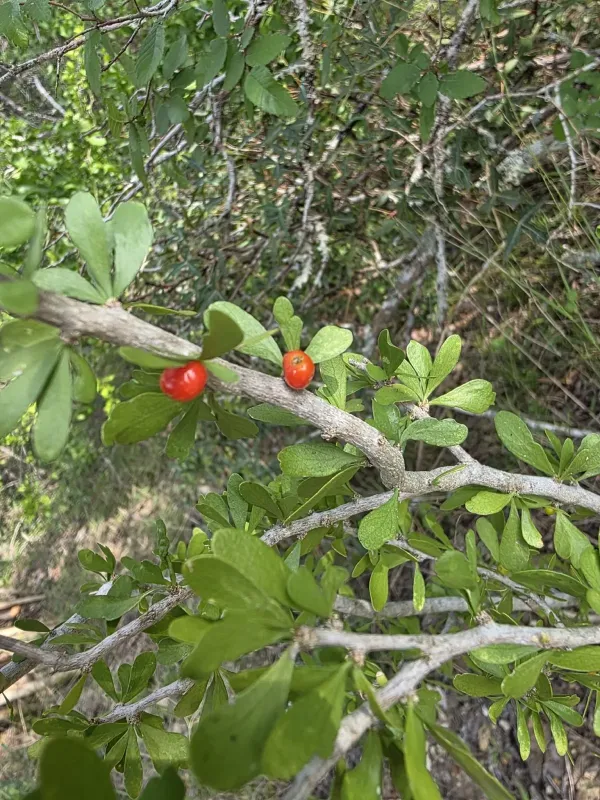
Description
Growing requirements
Schaefferia cuneifolia, commonly known in its native range, belongs to the Celastraceae family. This shrub is highly adapted to the harsh environmental conditions of arid and semi-arid regions in North America, particularly in Mexico and the Southwestern United States.
The plant demonstrates exceptional resilience to drought, thriving in areas with high temperatures and low annual precipitation. Its biological structure allows it to maintain vitality despite prolonged periods of extreme heat and minimal soil moisture.
Cultivation requirements focus heavily on soil structure; the plant demands excellent drainage. Loamy, sandy, or rocky soils are ideal, as they prevent water accumulation around the root system, which is a common cause of failure for this species.
Regarding sunlight, the shrub requires full sun exposure to maintain its growth density and overall health. Providing adequate space between plants is also recommended to ensure sufficient air circulation, which prevents the development of localized humidity.
The botanical profile includes small, wedge-shaped leaves with a waxy coating that reduces transpiration. The root system is robust and deep-reaching, enabling the shrub to access subsurface water reserves effectively in desert climates.
Main diseases and pests
The primary threat to the health of Schaefferia cuneifolia is the presence of excessive soil moisture, which inevitably leads to root rot diseases. Over-irrigation is the most critical mistake during the establishment phase of the culture.
Pest pressure is relatively low under natural conditions; however, in dense greenhouse environments, spider mites can pose a risk. Preventive measures should focus on maintaining a dry, well-ventilated environment to suppress any fungal pathogens.