
Putterlickia pyracantha
Putterlickia pyracantha
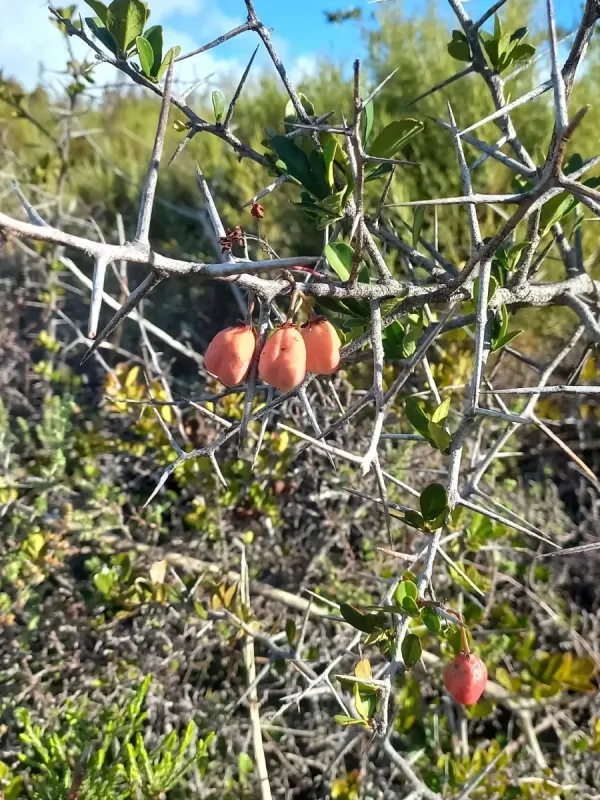
Description
Growing requirements
Putterlickia pyracantha is an evergreen shrub belonging to the Celastraceae family, native to the southern regions of Africa. This plant is characterized by its stiff, spiny branches, which makes it a valuable asset for creating impenetrable hedges and secure garden boundaries.
The plant thrives in regions with abundant sunlight and requires a well-lit location to maintain its density and promote fruiting. Adequate light exposure is essential for the plant to exhibit its natural growth habits and aesthetic appeal throughout the growing season.
Regarding soil requirements, the species prefers well-draining substrates that prevent waterlogging. It is highly adaptable to various soil types but performs best in nutrient-rich, neutral to slightly acidic soils that allow for deep root penetration and healthy development.
Climate conditions are a crucial factor for success; the plant is not frost-tolerant and prefers stable temperatures typical of subtropical zones. In colder regions, it should be protected from harsh winds and kept in locations where temperatures do not drop below the freezing point.
The main horticultural use of this species is in landscape design, specifically as a protective hedge or an architectural element in xeriscaping. Its natural drought tolerance allows it to withstand periods of limited water supply, reducing the need for constant maintenance.
Main diseases and pests
Fungal diseases are the primary threat, especially in environments with high humidity and poor air circulation. Root rot and leaf spots can significantly compromise the plant's health, often caused by stagnant water around the root zone.
Sucking insects, including aphids and scale insects, are common pests that colonize young stems and leaves. If left untreated, these infestations can drain the plant's resources, leading to stunted growth and reduced vigor.
Spider mites can become a significant nuisance during hot and dry periods, causing yellowing and webbing on the foliage. Monitoring and applying targeted acaricides are recommended to maintain plant vitality during the peak of the summer season.
Nematode infestations in the soil can be detrimental to the root system, potentially causing yellowing and overall decline of the shrub. Using healthy, certified planting material and maintaining soil hygiene are the best preventive measures.
Proper pruning and sanitation practices play a vital role in disease prevention. Removing dead or infected branches helps increase airflow within the canopy, which effectively reduces the likelihood of future pathogen outbreaks.