
Putterlickia verrucosa
Putterlickia verrucosa
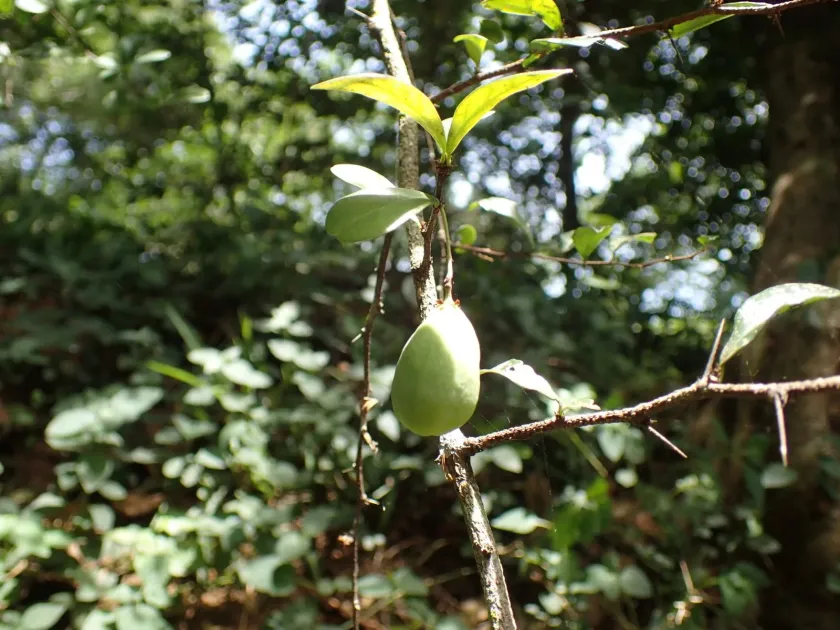
Description
Growing requirements
Putterlickia verrucosa belongs to the Celastraceae family. It is an evergreen shrub characterized by warty excrescences on its branches, which serve as a distinctive taxonomic marker for the species.
The native range of this plant is restricted to the southern regions of Africa. It thrives in environments with mild winters and high solar radiation, necessitating careful microclimate management during cultivation.
The plant requires well-drained sandy or loamy soils to prevent root asphyxiation. Poor drainage is the primary cause of failure in domestic and commercial cultivation attempts for this species.
Agrotechnical practices involve providing consistent but moderate moisture levels. While the plant is drought-tolerant once established, supplemental irrigation is vital during the initial growth phases to ensure survival.
Beyond its botanical interest, Putterlickia verrucosa is gaining attention for its secondary metabolites. Research into its chemical profile is ongoing due to the potential presence of compounds with significant medical applications.
Main diseases and pests
The most significant threat to Putterlickia verrucosa is the onset of root rot caused by pathogens such as Fusarium. This is almost exclusively triggered by inadequate soil drainage and poor irrigation management.
Pests such as spider mites and scale insects often pose challenges in controlled environments. These pests thrive in dry conditions and can significantly weaken the plant if left untreated.
Fungal infections on the foliage can occur if air circulation is insufficient. Ensuring proper spacing between plants is essential to reduce humidity levels around the canopy and prevent spore germination.
The use of integrated pest management (IPM) strategies is recommended to protect the integrity of the plant's active compounds. Chemical interventions should be minimized to ensure the purity of the final biological product.
Regular monitoring for discoloration or lesions on the bark is crucial for early detection of systemic diseases. Prompt removal of infected sections can prevent the spread of pathogens throughout the plantation.