
Microtropis japonica
Microtropis japonica
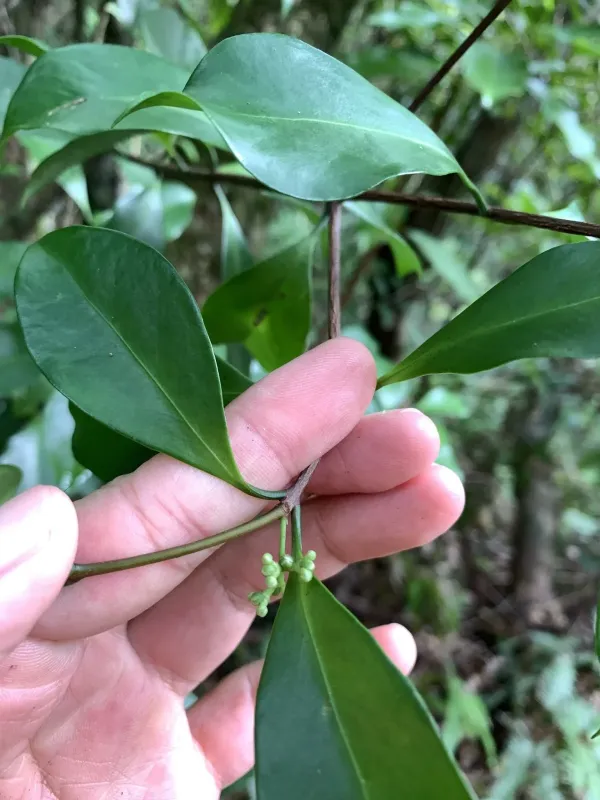
Description
Growing requirements
Microtropis japonica is an evergreen shrub or small tree belonging to the Celastraceae family. Native to the warm and humid regions of East Asia, it thrives in environments that mimic its natural forest habitat, characterized by diffused light and consistent moisture levels.
The plant requires specific climate conditions to perform well. It is sensitive to severe frosts and prefers locations that offer protection from harsh winds. In cultivation, it performs best in regions where temperatures remain moderate throughout the year, supporting steady growth cycles.
Soil requirements are centered on high fertility and excellent drainage. A slightly acidic to neutral substrate rich in organic matter is ideal. Gardeners must ensure that the planting site prevents waterlogging, which is critical for maintaining the health of the plant's delicate root system.
Regular maintenance involves light pruning to preserve a balanced crown structure. This practice encourages denser foliage growth and improves the plant's overall aesthetic appeal, making it a valuable candidate for high-end landscape design and sheltered garden compositions.
Strategic irrigation is essential, especially during dry spells. Keeping the root zone consistently moist but not saturated is the golden rule for Microtropis japonica. Using high-quality compost or organic fertilizers at the start of the growing season promotes vigorous development.
Main diseases and pests
Fungal diseases pose the greatest risk to Microtropis japonica, particularly in environments with poor ventilation. Conditions such as leaf spot or root rot often emerge when humidity levels are excessively high, necessitating strict control over watering and canopy airflow.
Common pests include spider mites and scale insects, which can affect plant vitality. These pests often target weakened or stressed plants, so ensuring optimal growing conditions acts as the first line of defense against potential infestations throughout the year.
Integrated pest management strategies are recommended, focusing on early detection and targeted treatments. Horticultural oils or mild insecticidal soaps can be effective against initial outbreaks, reducing the need for aggressive chemical interventions that might harm the plant.
Environmental stress, such as sudden temperature fluctuations or poor light management, can weaken the plant's resistance to pathogens. Maintaining a stable environment is crucial for keeping the plant in peak condition and preventing common horticultural issues.
Regular sanitation, which includes removing fallen leaves or damaged twigs, is vital for hygiene. By keeping the base of the plant clean, gardeners significantly reduce the probability of soil-borne pathogens establishing themselves near the root zone.