
Whorled knotweed
Illecebrum verticillatum
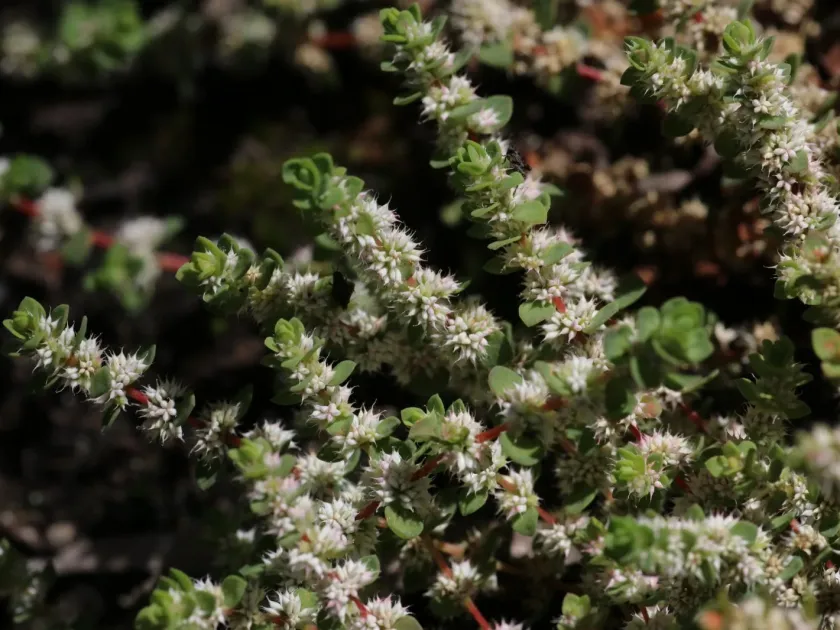
Description
Sowing dates
Seeds of Illecebrum verticillatum are sown in a prepared substrate, ideally in the spring after the threat of frost has passed. A temperature range of 18–22 degrees Celsius is optimal for germination.
Due to the extremely small size of the seeds, they should be sown on the surface. Light is essential for germination, so the seeds should not be buried deep in the soil.
Maintaining constant surface moisture is critical during the germination period. Using a misting system or a cover can help keep the humidity levels steady while the seedlings are fragile.
Once seedlings have established their first set of true leaves, they can be transplanted to a permanent location. A spacing of 20 centimeters between plants is recommended for optimal coverage.
Early spring planting allows the plants to establish a robust root system before the onset of summer heat, which is vital for their survival and subsequent growth.
Growing requirements
The Whorled knotweed belongs to the Caryophyllaceae family and is recognized as a trailing plant with whorled leaf arrangements. Its natural habitat includes sandy and damp soils, often near coastal areas or seasonal wetlands.
This species thrives in locations with high moisture levels and adequate sunlight. While it can tolerate partial shade, full sun exposure is preferred to ensure vigorous growth and dense mat formation.
Regarding soil preferences, it favors acidic to neutral sandy soils with good drainage properties. It is highly sensitive to calcareous soils, which can lead to stunted development and nutrient deficiencies.
The plant demonstrates a unique ability to root at the nodes of its trailing stems. This vegetative propagation makes it an excellent choice for ground stabilization in moist environments.
Regular irrigation is essential throughout the growing season, as the plant lacks drought resistance. Supplemental fertilization should be low-intensity to avoid burning the root system.
Main diseases and pests
In conditions of high humidity combined with poor airflow, the plant is susceptible to fungal infections like Botrytis. Ensuring proper spacing is a key preventative measure for healthy growth.
Root rot remains the most significant threat if the soil remains waterlogged for extended periods without oxygen exchange. Proper drainage must be maintained even for moisture-loving species.
Slugs and snails pose a risk to the tender green foliage, especially in cool and wet spring months. Implementing physical barriers is often more effective than chemical treatments for this delicate plant.
Nutrient imbalances, particularly high pH levels, frequently manifest as chlorosis. Correcting soil chemistry is the primary way to manage this condition and restore the plant's health.
Weed management is critical during the establishment phase, as the plant's slow-growing nature makes it vulnerable to encroachment by more aggressive vegetation.