
Forest pink
Dianthus sylvestris
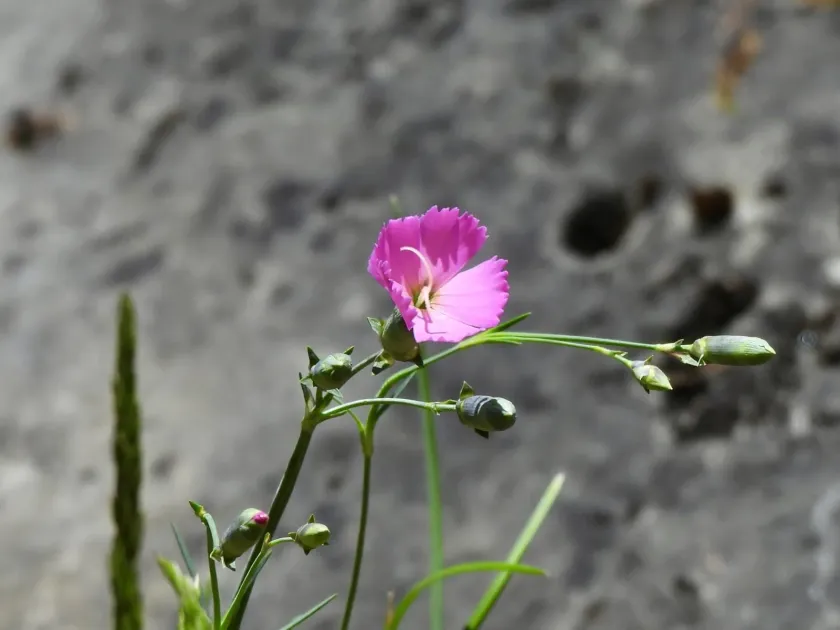
Description
Sowing dates
Sowing of Dianthus sylvestris seeds is typically performed in early spring or autumn to allow for natural stratification, which enhances overall germination rates.
For container-grown starts, seeds should be sown on the surface of a fine, well-draining seed-starting mix, as they require light to germinate effectively.
Maintain consistent moisture levels during the germination phase, typically providing a stable environment with temperatures between 18 and 20 degrees Celsius.
Seedlings should be transplanted to their final garden locations once they have developed at least two sets of true leaves and the threat of frost has passed.
Spacing should be maintained at approximately 15 to 20 centimeters between individual plants to ensure adequate airflow and prevent fungal development.
Growing requirements
Forest pink is a hardy herbaceous perennial belonging to the Caryophyllaceae family, well-adapted to rocky, calciferous, and dry soil environments.
The plant thrives in full sun exposure, requiring at least six hours of direct sunlight daily to maintain its compact growth habit and produce abundant flowers.
Soil drainage is the most critical factor for successful cultivation; heavy or waterlogged soils often lead to root rot and premature plant decline.
Dianthus sylvestris prefers neutral to slightly alkaline pH levels, mimicking the natural rocky slopes where it is commonly found in the wild.
Once established, the plant is moderately drought-tolerant, requiring irrigation only during prolonged dry spells to maintain aesthetic quality.
Yield
As a decorative plant, the primary output of forest pink is its persistent and delicate floral display, which enhances rock gardens and borders.
The plant produces slender, elegant stems reaching 30 to 50 centimeters in height, bearing single pink or light red flowers that attract pollinators.
Regular deadheading is a recommended practice to promote repeat blooming and maintain a tidy appearance throughout the summer season.
With correct maintenance, an established patch of Dianthus sylvestris can remain productive and visually appealing for several years without needing rejuvenation.
Its utility extends to landscape design where it acts as a reliable groundcover in dry, sunny, and stony areas where other species might struggle to survive.
Main diseases and pests
Fungal issues, such as rust and Fusarium wilt, are the most frequent threats, often exacerbated by high humidity and poor air circulation around the crown.
Overwatering and the use of heavy mulches that trap moisture against the stems are major cultural triggers for disease onset in this species.
Insects like aphids and spider mites can occasionally cause damage by feeding on succulent buds and leaves, causing chlorosis and stunted growth.
Integrated pest management techniques, including the use of neem oil or targeted biological controls, are effective in managing common pest outbreaks.
Prevention involves selecting well-draining sites and ensuring proper distance between plants to facilitate drying of the foliage after rain or irrigation.
Harvesting
Cut flowers are harvested in the cool morning hours, with stems trimmed to the base to ensure that the plant continues to produce new flower spikes.
If harvesting for seeds, pods should be collected once they start to brown but before the valves open, ensuring the preservation of the mature seeds.
Seeds need to be cleaned of debris and dried completely in a shaded, ventilated environment to prevent the growth of mold during storage.
Properly dried seeds can be stored in airtight containers in a cool place, allowing for consistent success in subsequent planting seasons.
After the final bloom, the entire plant may be lightly pruned to remove spent stems, keeping the vegetative portion healthy for the following year.