
Eudianthe coeli-rosa
Eudianthe coeli-rosa
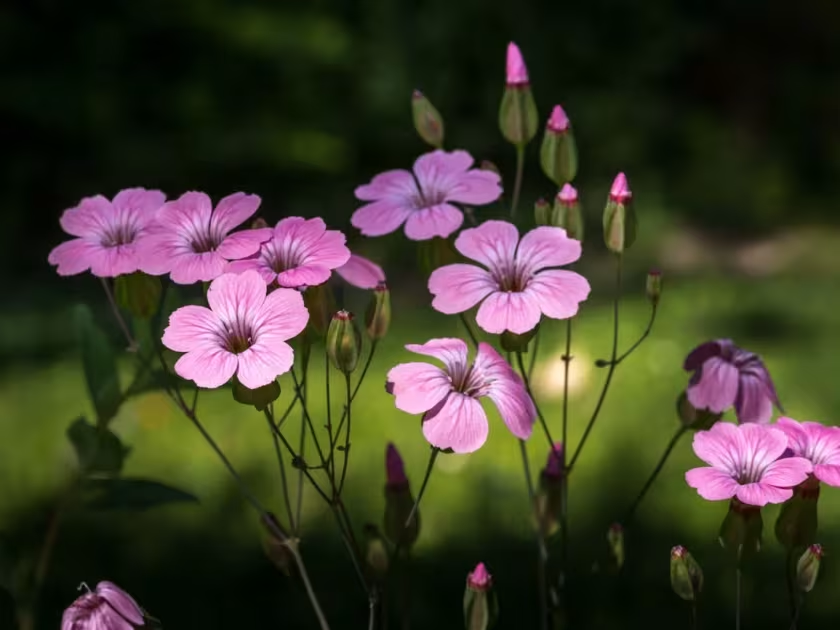
Description
Sowing dates
Sowing Eudianthe coeli-rosa seeds should be carried out directly in the garden soil once the danger of late spring frost has completely passed.
The seeds are small and require only a light covering of soil to germinate effectively, as they need a moderate amount of light to trigger growth.
Space the seeds about 15 to 20 centimeters apart to ensure each plant has enough room to spread and develop its characteristic bushy habit.
It is recommended to sow in batches if a prolonged flowering period is desired throughout the summer season in the garden bed.
Germination typically occurs within two weeks, provided the soil is kept consistently moist but not waterlogged during the initial stages.
Growing requirements
Belonging to the Caryophyllaceae family, Eudianthe coeli-rosa, often called the Rose of Heaven, is a charming annual plant originating from the Mediterranean.
This species thrives best in full sun exposure, which is critical for preventing leggy growth and ensuring the production of its vibrant, sky-blue flowers.
The plant performs exceptionally well in well-drained, sandy, or loam soils that do not retain excess water, as moisture-logged roots can quickly lead to decay.
While the plant is relatively adaptable, it responds positively to a balanced fertilizer application during the early vegetative growth stage.
Gardeners should prioritize sunny, open locations where the air circulation is sufficient to keep the foliage dry and healthy throughout the season.
Main diseases and pests
The primary threats to this plant include slugs and snails, which can cause significant damage to seedlings during damp and overcast weather conditions.
Fungal issues, such as powdery mildew, may emerge if the plants are placed in areas with poor airflow or where humidity remains constantly high.
Aphid infestations can occur occasionally, particularly on younger, tender shoots, which can be managed with standard garden insecticidal soaps.
Root rot is a common physiological threat, usually triggered by improper drainage or excessive irrigation practices that saturate the soil profile.
Maintaining cleanliness in the growing area, including the removal of weeds, significantly reduces the likelihood of both pest and disease outbreaks.