
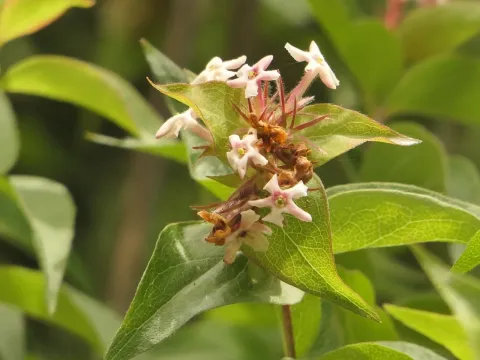
Abelia
Zabelia
Abelia (Zabelia) is a genus of deciduous or semi-evergreen shrubs belonging to the Caprifoliaceae family. Native primarily to East Asia and Mexico, these plants are highly valued in ornamental horticulture for their graceful habit and prolonged flowering period.
What the section contains


Abelia
The culture thrives in well-drained, fertile soils with a pH level ranging from neutral to slightly acidic. Successful cultivation depends on choosing a site that receives ample morning sunlight, although protection from scorching afternoon sun in hotter climates is beneficial.
Temperature requirements vary by species, but generally, Abelia prefers mild climates. Many varieties require protection during winter if temperatures drop below freezing for extended periods, as frost can damage the young terminal shoots and flower buds.
Agricultural techniques include regular maintenance such as consistent watering during active growth and annual feeding with balanced organic fertilizers. Pruning is essential; removing a portion of old wood after blooming encourages vigorous new growth and improves the plant's structural density.
The ornamental value of Abelia makes it a staple in landscape architecture. It is frequently used for foundation plantings, decorative hedging, and container gardening. Its ability to bloom in late summer and autumn makes it a critical plant for extending the garden's color season.
Pest pressure on Abelia primarily involves aphids and spider mites, which can cause leaf yellowing and reduced vigor. Proper monitoring and the use of insecticidal soaps or horticultural oils can mitigate these infestations effectively during the growing season.
Fungal diseases, particularly powdery mildew, are the main concern, especially in areas with poor airflow and high humidity. Maintaining healthy plant spacing and providing adequate sunlight are primary cultural practices that prevent the establishment of such pathogens.