
Zabelia biflora
Zabelia biflora
Description
Growing requirements
Zabelia biflora is a deciduous shrub belonging to the Caprifoliaceae family. This species originates from East Asia, specifically areas in China and Korea, where it thrives in natural forest environments.
The culture requires specific climatic conditions, favoring locations with full sun to partial shade. In colder regions, providing winter mulch and protection against harsh wind is essential to prevent shoot dieback.
Soil requirements focus on well-draining, nutrient-rich soil with a slightly acidic to neutral pH. Proper drainage is crucial as the root system is sensitive to waterlogging, which often leads to root rot.
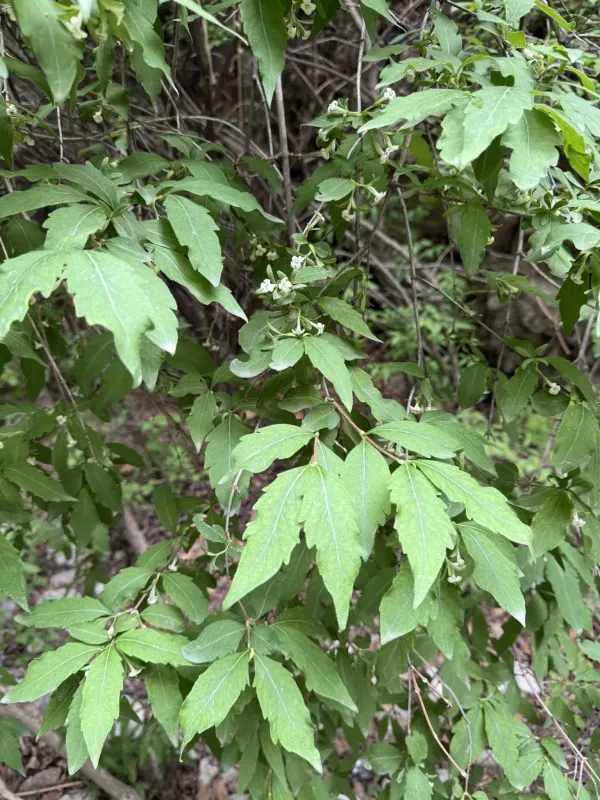
Botanically, the plant is known for its graceful arching branches and fragrant, paired flowers that bloom in the summer. Its foliage provides a lush green canopy that creates an excellent visual effect in garden settings.
In landscaping, this shrub is utilized as an ornamental specimen in hedges, mixed borders, or shrub groups. Its ability to tolerate pruning makes it a flexible choice for both formal and informal designs.
Main diseases and pests
The main pests associated with Zabelia biflora include aphids and spider mites, which can cause significant damage to new growth during dry and hot spells.
Fungal diseases, such as powdery mildew, may affect the foliage if there is insufficient airflow or if the humidity levels remain consistently high in the canopy.
Preventative care is essential, including regular pruning to open up the plant structure and improve air circulation within the branches.
Chemical or biological control agents should be applied at the first signs of pest infestation to protect the overall vitality of the plant.
Maintaining a healthy, well-nourished plant significantly increases its natural resistance to environmental stress and opportunistic pathogens.