
American honeysuckle
Lonicera americana
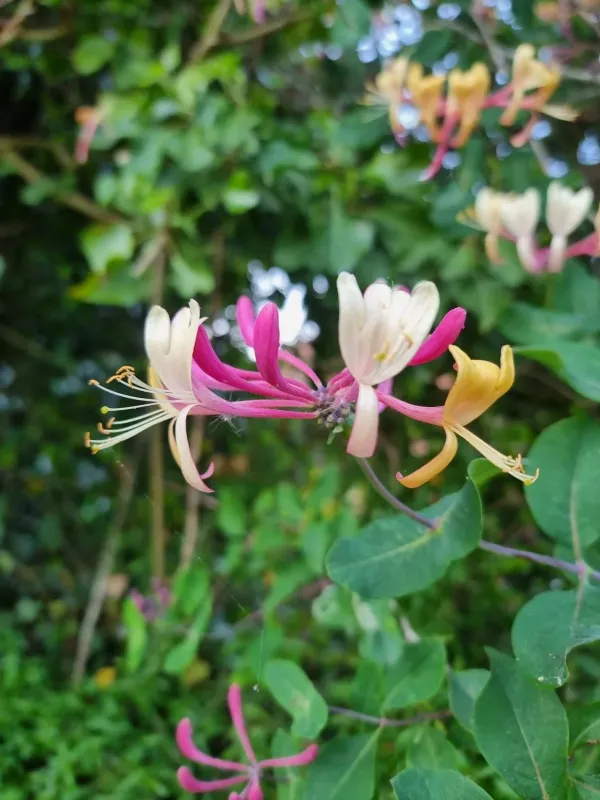
Description
Growing requirements
American honeysuckle (Lonicera americana) is a member of the Caprifoliaceae family. It is a vigorous hybrid climbing vine, widely known for its fragrant, tubular flowers and rapid growth habit. This plant is a popular choice for vertical gardening, pergolas, and decorative garden screens.
The plant thrives in sunny locations but benefits from partial shade in regions with extremely hot summers. It requires a sturdy support structure, such as a trellis or fence, as its twining stems need a medium to climb effectively. Providing shelter from strong prevailing winds helps preserve the plant's delicate blooms.
Soil requirements for Lonicera americana include well-drained, fertile, and loamy soil. It prefers a neutral to slightly alkaline pH. Regular addition of compost or well-rotted manure during the early spring planting season ensures sufficient nutrient levels for consistent growth throughout the vegetative phase.
Agricultural practices involve consistent watering schedules, particularly during the peak of summer when moisture evaporation is high. A consistent supply of water is essential for the development of flowers. Mulching around the root zone helps maintain soil moisture levels and reduces competition from weeds.
Pruning is an essential aspect of honeysuckle maintenance. It should be conducted in late winter or early spring to remove dead wood and encourage new growth. Regular deadheading of spent flowers may extend the blooming window and keep the vine looking neat throughout the growing season.
Main diseases and pests
Common pests affecting American honeysuckle include aphids, which often cluster on the soft, emerging leaves and flower buds. Control measures involve using systemic insecticides or insecticidal soaps, applied during the early stages of infestation to prevent stunted growth and distorted foliage.
Powdery mildew represents the most frequent fungal challenge, often manifesting as a white, dusty layer on the leaves during warm, humid weather. To mitigate this risk, it is important to ensure adequate spacing between plants and avoid overhead watering that keeps the foliage consistently wet for long periods.