
Alpine honeysuckle
Lonicera alpigena
Description
Growing requirements
Alpine honeysuckle (Lonicera alpigena) is a deciduous shrub belonging to the Caprifoliaceae family. It is native to the mountainous regions of Central and Southern Europe, commonly found in forest understories at high altitudes where the soil is rich in minerals.
The plant requires well-drained, fertile soil to thrive, showing a particular preference for limestone-based substrates. It is essential to ensure that the site does not hold standing water, as the root system is sensitive to waterlogging, which can easily damage the shrub.
Regarding climatic requirements, this species is highly cold-hardy and well-adapted to mountain environments. It performs best in partial shade, as the foliage can be sensitive to intense, prolonged exposure to direct sunlight in hotter regions, though it tolerates full sun with adequate soil moisture.
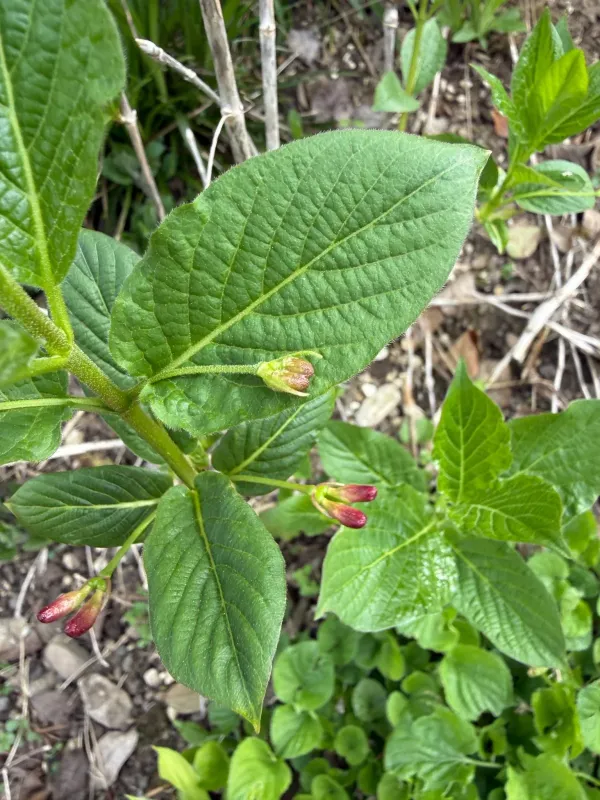
Botanically, the shrub typically reaches a height of two to three meters. Its dense, upright growth habit and deep green foliage make it an excellent candidate for formal and informal garden designs. The flowers, appearing in late spring, are often yellow-green with a characteristic reddish hue.
It must be emphasized that the bright red berries of Lonicera alpigena are inedible and are considered mildly toxic to humans. Consequently, its primary agricultural and horticultural value lies in ornamental landscaping, such as creating dense hedges or individual focal points in alpine-style gardens.
Main diseases and pests
Alpine honeysuckle is susceptible to several common pests, most notably aphids. These insects tend to cluster on new growth, causing curling and stunted development, which significantly reduces the plant's aesthetic appeal during the active growing season.
Fungal diseases, specifically powdery mildew, often manifest during periods of high humidity or poor ventilation within the canopy. Maintaining proper spacing and performing routine pruning helps to ensure adequate airflow, which is the most effective preventative measure against such diseases.
Leaf-eating caterpillars and various beetle larvae may cause mechanical damage to the leaves. Integrated pest management strategies, including the use of neem oil or targeted biological controls, are usually sufficient to manage these infestations without harming the local ecosystem.
Leaf spot pathogens can occur if the foliage remains wet for too long or if the plant is stressed by improper watering regimes. Ensuring that irrigation is directed at the base of the plant rather than the leaves helps mitigate the risk of fungal proliferation.
Overall, a consistent maintenance program that includes annual mulching and nutrient management will strengthen the shrub's natural resistance. By monitoring the plant throughout the spring and early summer, most potential threats can be managed effectively before they become serious.