
Zabelia buddleioides
Zabelia buddleioides
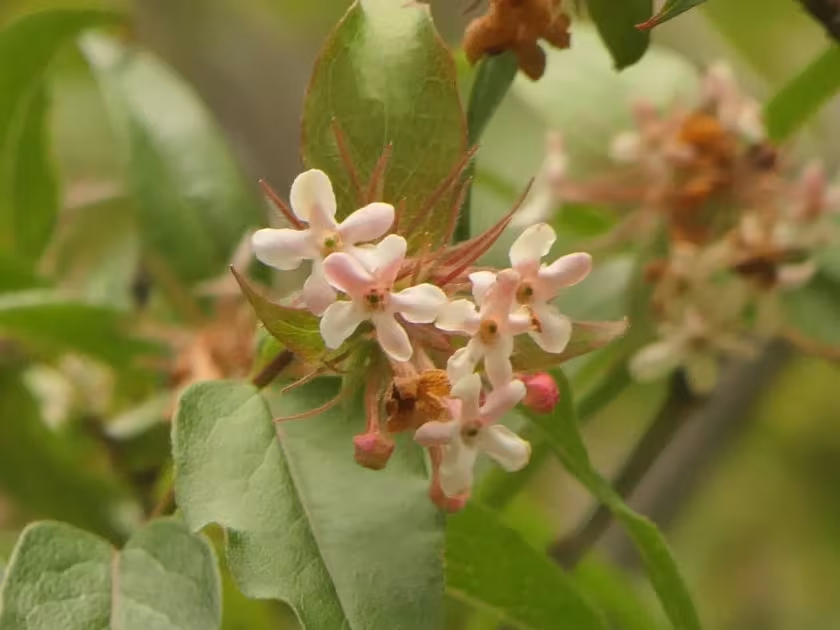
Description
Growing requirements
Zabelia buddleioides is a perennial deciduous shrub belonging to the Caprifoliaceae family. It is highly valued in horticulture for its elegant foliage and fragrant blossoms that appear during the warmer months of the growing season.
Originating from the mountainous regions of China, this species is well-adapted to varied environmental conditions. Its natural habitat suggests that it thrives in well-lit areas where it can develop a robust root system and a dense canopy of foliage.
The botanical structure of the plant features opposite leaves that resemble those of the Buddleja genus, which gives the plant its distinct common and scientific name. It typically grows into a medium-sized shrub, making it suitable for mixed borders or individual landscape features.
For optimal growth, Zabelia requires fertile, well-draining soil with a neutral to slightly alkaline pH. Adequate soil structure is essential, as the roots are sensitive to waterlogging, which can lead to root rot in poorly drained, clay-heavy soils.
The plant demonstrates a strong preference for full sun exposure. While it can tolerate partial shade, maximum flowering potential is achieved only when the plant receives several hours of direct sunlight daily. It is also beneficial to provide shelter from harsh, drying winds.
Main diseases and pests
The most common health issues for Zabelia are associated with fungal pathogens, particularly in regions with high humidity. Powdery mildew can occur if the plant is overcrowded or if air circulation around the branches is restricted.
Insect pests such as aphids or scale insects may occasionally infest the plant, particularly on younger, tender growth. Routine monitoring and the application of horticultural oils or systemic insecticides are generally effective strategies to manage these potential threats.