
Zabelia dielsii
Zabelia dielsii
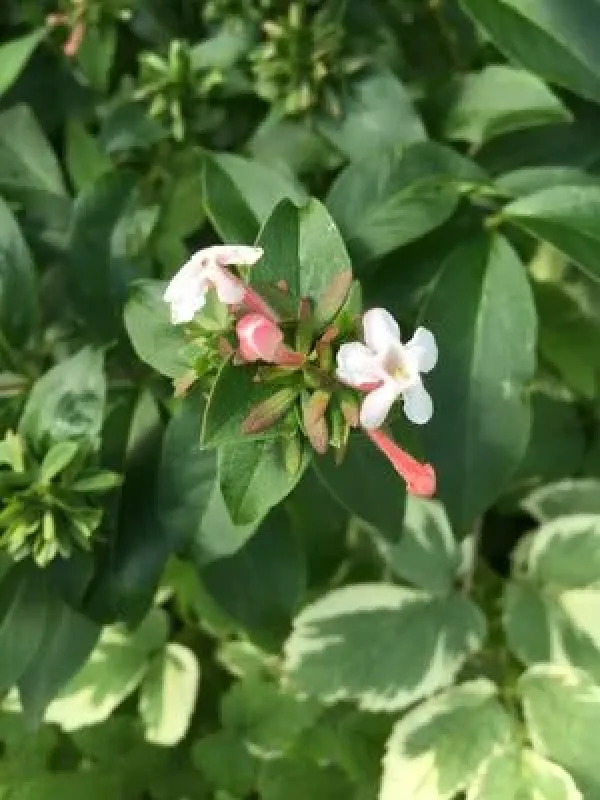
Description
Growing requirements
Zabelia dielsii is a deciduous flowering shrub belonging to the Caprifoliaceae family. Originally native to the mountainous regions of China, this plant is valued for its graceful structure and attractive blossoms, making it a popular choice for botanical collections and ornamental gardens.
The plant features opposite, ovate leaves and produces small, bell-shaped flowers ranging from white to pinkish hues. Flowering typically occurs from mid-summer through early autumn, providing a nectar source for bees and various pollinating insects, which enhances garden biodiversity.
Cultivation requires a site with full sun to partial shade, preferably shielded from cold, drying winds. Zabelia thrives in well-drained, fertile soil. It is essential to ensure proper soil structure to prevent root rot, as the plant does not tolerate waterlogged conditions.
Watering should be managed consistently during the growing season. In particularly hot or dry spells, supplemental irrigation is necessary. Applying organic mulch, such as wood chips or compost, around the base helps retain moisture while also suppressing weed growth around the roots.
Regarding climate, Zabelia dielsii shows moderate hardiness. In regions with severe winters, it is advisable to provide winter protection, such as wrapping the base with straw or horticultural fleece to protect the root system and lower branches from deep frost damage.
Main diseases and pests
Zabelia dielsii is generally resistant to many common pests; however, it can occasionally be affected by powdery mildew if air circulation is inadequate. Maintaining proper spacing and pruning helps ensure sufficient airflow, which is the best cultural defense against such fungal issues.
Pests like aphids or spider mites may appear during dry summer periods. If infestations are noticed, simple horticultural soaps or biological control agents are effective methods for management. Regularly washing the foliage can also help dislodge dust and minor pest colonies.
Maintenance pruning is essential for the health and aesthetic appeal of the shrub. Early spring pruning should focus on removing dead or damaged wood and thinning out crowded branches to encourage new, vigorous growth for the coming season's flower display.
In terms of хозяйственное использование, this shrub is primarily utilized in landscaping as a specimen plant, in mixed borders, or as part of a formal hedge. Its ability to tolerate shearing makes it a versatile tool for gardeners aiming to maintain clean lines in a design.
Fertilization with a balanced, slow-release fertilizer in early spring supports healthy development. Avoiding high-nitrogen fertilizers later in the season is recommended, as this prevents succulent growth that might not harden off before the first frost, ensuring better winter survival.