
Vesalea floribunda
Vesalea floribunda
Description
Growing requirements
Vesalea floribunda belongs to the Caprifoliaceae family. It is a perennial shrub native to the mountainous regions of Mexico, where it thrives in the cool, humid climate characteristic of high-altitude ecosystems.
Successful cultivation requires well-drained, fertile soils with a neutral or slightly acidic pH. The plant is sensitive to waterlogged conditions, which makes the inclusion of a drainage layer essential when planting in heavy clay or compact soils.
The ideal environment for this species includes semi-shaded locations protected from harsh direct sunlight and drying winds. In warmer climates, it is crucial to implement regular irrigation and soil mulching to maintain consistent temperature and moisture levels.
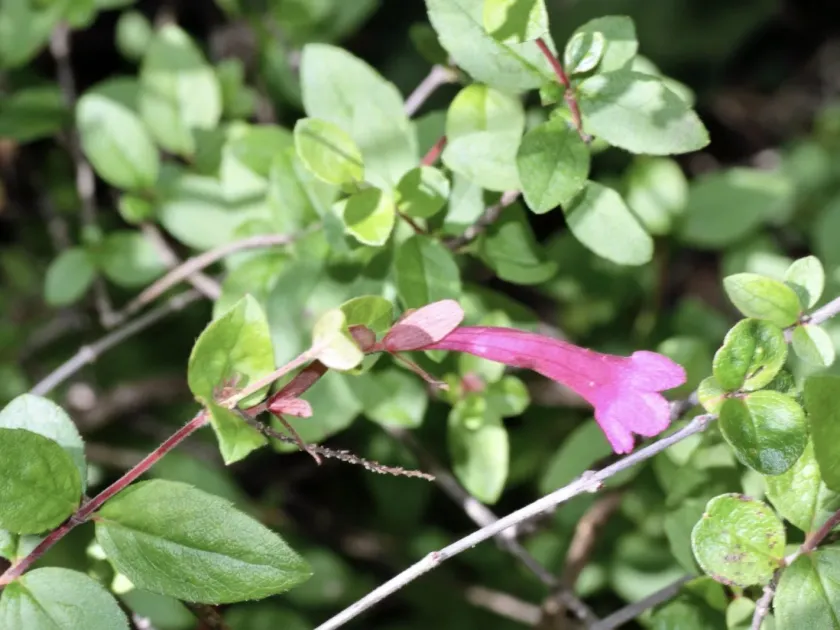
Botanically, it is defined as a semi-evergreen shrub with graceful branches and opposite leaves. The hallmark of this species is its abundant flowering, featuring tubular blooms clustered in dense inflorescences that provide high ornamental value during the peak season.
In terms of agricultural and horticultural use, Vesalea floribunda is primarily utilized as a high-value decorative plant. Its structural form makes it an excellent choice for hedge formation, border planting, and as a centerpiece in professional landscape design.
Main diseases and pests
The main threats to the plant include fungal diseases such as root rot, which typically occur in poorly drained substrates. Maintaining soil aeration and strictly controlling irrigation frequency are the most effective preventive measures against these pathogens.
Common pests affecting the crop include spider mites and aphids, which are particularly problematic in low-humidity environments. Integrated pest management strategies, including the use of systemic insecticides or biological controls, are recommended for maintaining healthy specimens.