
Kesselring honeysuckle
Lonicera kesselringii
Description
Growing requirements
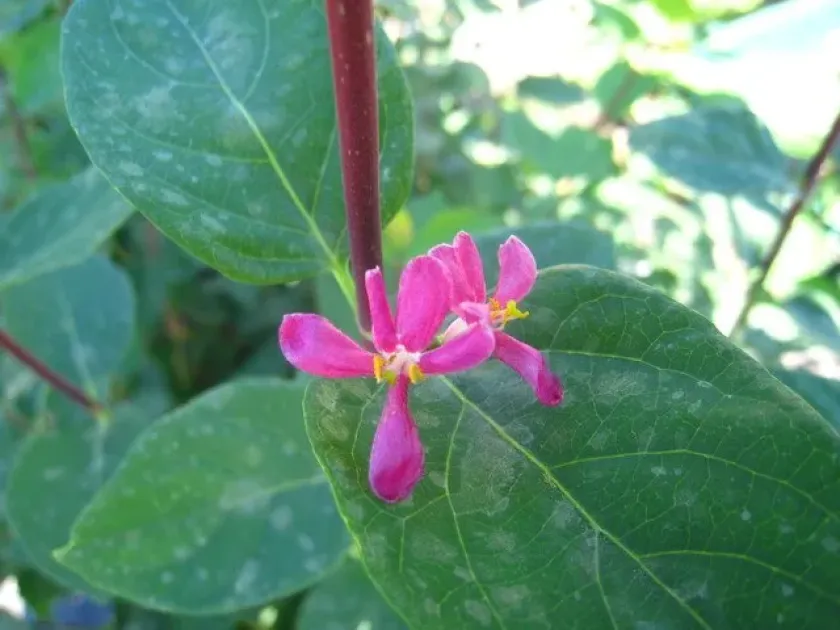
Kesselring honeysuckle (Lonicera kesselringii) is a deciduous ornamental shrub belonging to the Caprifoliaceae family. Originating from the Far East, this species is well-regarded for its unique foliage and resilient growth habit in diverse climates.
The plant thrives in temperate regions, showing excellent cold hardiness. It prefers full sun locations for optimal leaf coloration, but it is versatile enough to tolerate partial shade in garden environments.
Requirements for soil include well-draining, fertile substrates that retain moisture without becoming waterlogged. Neutral or slightly acidic soil pH is ideal for promoting vigorous root system development and annual shoot growth.
General maintenance involves mulching around the base to preserve moisture and performing periodic pruning to manage the shrub's shape. Establishing a regular watering schedule during the first year is critical for deep root establishment.
In landscaping, this species is frequently used for decorative hedging or as an ornamental accent plant. Its adaptability makes it a reliable choice for sustainable gardening and park management where low-maintenance shrubs are desired.
Main diseases and pests
Common threats to Kesselring honeysuckle include various aphid species that target tender spring growth. These pests can cause leaf curling and stunt the overall development of young branches if left unchecked.
Powdery mildew is a significant fungal concern, especially in areas with high humidity or poor air circulation within the shrub's canopy. It manifests as a white powdery coating on the surface of the leaves.
To mitigate disease risks, gardeners should ensure proper spacing between shrubs during installation. Pruning out dead or crowded branches improves airflow, significantly reducing the chances of fungal colonization.
Integrated pest management strategies are recommended, including the use of horticultural oils or insecticidal soaps for aphid control. Fungicidal sprays should only be used if environmental conditions favor disease outbreaks.
Maintaining plant health through proper fertilization and balanced hydration is the best defense against stressors. Strong, well-nourished plants are significantly less susceptible to both secondary infections and persistent insect infestations.