
Illyrian scabious
Knautia illyrica
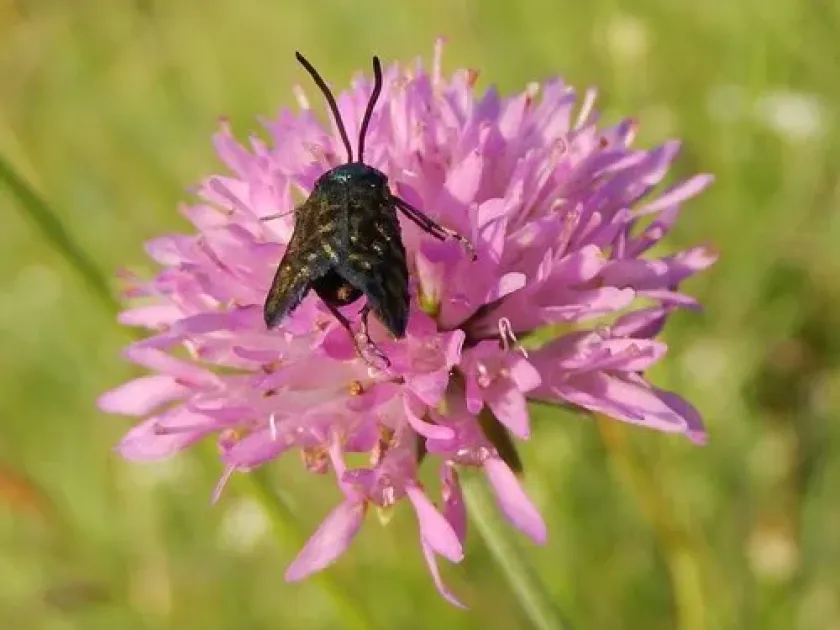
Description
Sowing dates
Sowing of Knautia illyrica in the open field is best performed in the autumn, allowing for natural stratification of the seeds. October is considered the optimal time when soil temperatures drop, preventing premature germination.
Spring sowing is also possible but requires pre-treatment of seeds in cold storage for about a month. Seeds should be sown at a depth of no more than 0.5–1 cm, as they require light to germinate successfully.
If using the seedling method, seeds should be sown in March in a lightweight substrate. The optimal temperature for germination is +18–20 degrees Celsius, after which the seedlings require supplemental lighting.
Transplanting seedlings to their permanent location is done in May after the risk of frost has passed. Maintain a spacing of 30–40 cm between plants to ensure proper aeration and structural development.
The plant has a high capacity for self-seeding, so if you are growing it for landscape design or commercial purposes, it is important to deadhead the flowers to control spread if natural colonization is not desired.
Growing requirements
Illyrian scabious belongs to the Caprifoliaceae family and naturally prefers open, sunny locations. It is a heliophilic plant, and insufficient sunlight will lead to spindly stems and reduced flower production.
The crop has moderate soil requirements, thriving best in loose, well-drained soils with a neutral to slightly alkaline pH. Waterlogging is detrimental to the root system and must be avoided at all costs.
Once established, the plant shows significant drought tolerance, making it a great candidate for low-maintenance landscaping. However, providing moderate supplemental watering during extreme summer heat will improve bloom quality.
Applying organic fertilizer during soil preparation is sufficient to cover the plant's nutritional needs for the season. Excessive nitrogen should be avoided as it encourages vegetative growth at the expense of flowering.
The species exhibits excellent cold hardiness, reflecting its Balkan and Mediterranean origins, and requires no special winter protection even in temperate climate zones.
Main diseases and pests
Fungal diseases, often triggered by excessive soil or air moisture, pose the greatest threat to this crop. Powdery mildew commonly affects the leaves, especially in dense plantings with poor air circulation.
Root rot is typically caused by overwatering or planting in heavy, clay-based soils. Preventive measures include ensuring proper drainage and monitoring moisture levels consistently during the growing season.
Aphids are the most common pests, as they feed on the sap of young shoots and buds. Their presence can severely weaken the plant and lead to the development of secondary fungal issues like sooty mold.
Regular weeding is essential for the crop's success, as Illyrian scabious does not compete well with weeds for nutrients and space during its initial growth phases. Maintaining clear surroundings helps minimize pest attraction.
Should an infestation or disease outbreak occur, appropriate systemic fungicides and insecticides should be applied according to the manufacturer's guidelines to prevent significant damage to the crop.