
Seven-son flower
Heptacodium miconioides Rehder
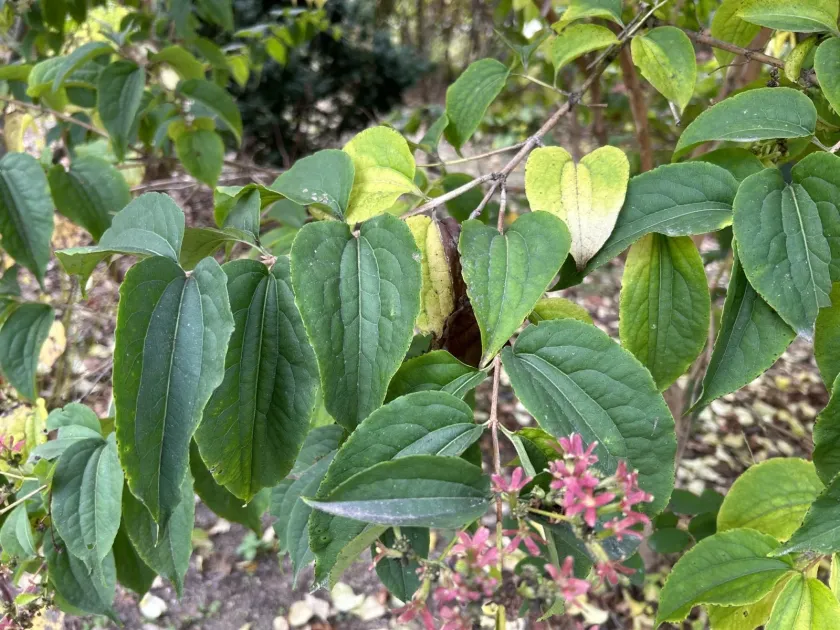
Description
Growing requirements
Heptacodium miconioides, commonly known as the Seven-son flower, is a distinctive deciduous shrub or small tree belonging to the Caprifoliaceae family. Native to China, it has gained international recognition as an ornamental specimen due to its unique peeling bark, which reveals a beautiful light-colored trunk beneath.
For optimal growth, this plant requires full sun to partial shade conditions. It thrives in fertile, well-draining soils with a neutral to slightly acidic pH. While it is adaptable to various soil types, ensuring proper drainage is crucial to prevent root zone saturation, especially during the wetter months of the year.
Water requirements for this species are moderate. Once established, it exhibits a notable level of drought tolerance. However, during the initial planting years, consistent irrigation is necessary to ensure the root system is well-integrated into the soil profile. Mulching around the base can help retain soil moisture and stabilize temperature.
The climate requirements of the Seven-son flower include a preference for temperate zones. It is known for its winter hardiness, making it suitable for a wide range of regions. In particularly cold climates, providing protection for young plants during the first two winters is recommended to shield the wood from harsh frost.
Cultural management primarily involves pruning, which should be performed in late winter or early spring. This practice not only helps maintain a desired shape but also promotes the regeneration of the plant's characteristic exfoliating bark. Feeding with a balanced fertilizer in the early spring supports robust growth throughout the season.
Main diseases and pests
Heptacodium miconioides is generally considered to be a low-maintenance plant with an excellent natural resistance to most major plant diseases. It is rarely bothered by significant fungal infections, provided the environmental conditions do not include stagnant water or excessive humidity.
Root rot is the most common threat if the plant is situated in heavy, waterlogged soil. Proper site selection is the primary preventative measure. Incorporating coarse organic matter or sand into the soil during the planting process significantly reduces the risk of long-term health issues for the root system.
Pests are rarely a major issue for this species. Occasionally, sap-sucking insects like aphids or spider mites may appear during periods of intense heat and dry weather. These can usually be managed with gentle horticultural soaps or by increasing ambient humidity through light crown irrigation.
The plant demonstrates good vigor and is not typically prone to widespread pest outbreaks that would jeopardize the survival of the shrub. Its ability to tolerate urban environmental stressors makes it an excellent candidate for parks and residential gardens where intensive chemical control is undesirable.
Routine monitoring of the foliage and stems is advised to ensure early detection of any physiological stress. By maintaining proper airflow and avoiding over-fertilization, which can produce overly succulent growth, the gardener can keep the plant healthy and vigorous for many years.