
Capparicordis crotonoides
Capparicordis crotonoides
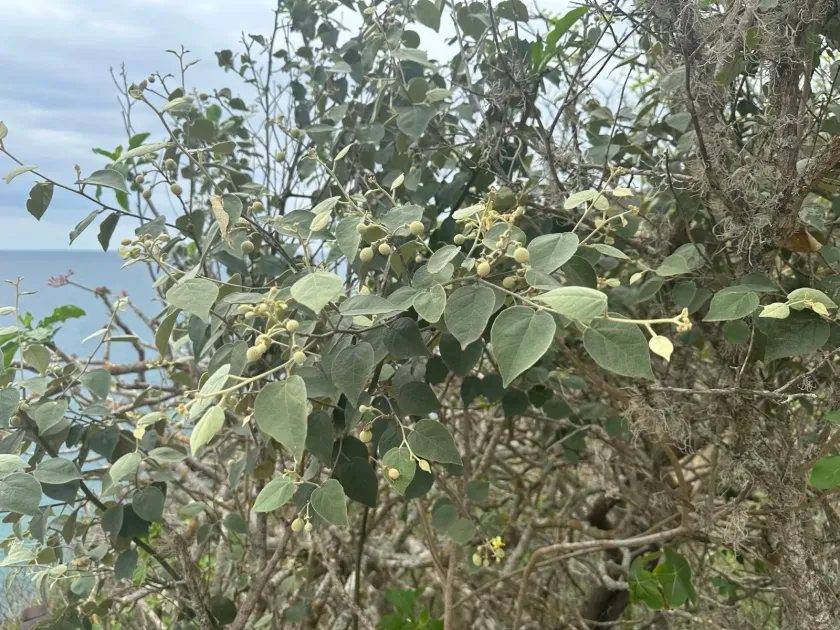
Description
Growing requirements
Capparicordis crotonoides is an interesting woody plant species belonging to the Capparaceae family. It is naturally adapted to specific tropical and subtropical environments, primarily found in regions with significant seasonal climate variations.
The plant demonstrates excellent adaptation to arid conditions, thriving in soils with low fertility levels and porous structure. Good drainage is the most vital requirement for successfully establishing a plantation of this species.
Thermal requirements for Capparicordis crotonoides are quite high, necessitating consistent warmth throughout the growing cycle. It does not tolerate frost and prefers areas where temperatures remain significantly above freezing point year-round.
Optimal site selection involves choosing open spaces with maximum sun exposure, which ensures proper biomass development. Shaded environments tend to inhibit the physiological processes of the plant, leading to stunted growth.
Agronomic management focuses on preventing waterlogging, which is the primary cause of plant failure. Implementing specialized irrigation systems can be beneficial during the initial development phases to support a robust root structure.
Main diseases and pests
The plant faces several threats from common agricultural pests, primarily those belonging to the sap-sucking insect groups. These pests can significantly reduce plant vigor if left unchecked during early growth stages.
Pathogenic fungi represent a secondary threat, often associated with soil saturation. These infections can lead to root system decay and impact the overall longevity of the plant in a commercial setting.
Monitoring for signs of pest damage should be performed systematically. Visible indicators include chlorosis, leaf curling, or the presence of insect eggs on the undersides of the leaves, requiring immediate intervention.
Integrated pest management (IPM) practices are highly recommended for this crop. By combining cultural methods, such as spacing adjustments, with selective biological controls, producers can minimize crop loss.
Maintaining high hygiene standards in the field, including the removal of debris and the destruction of potential host weeds, is essential for minimizing the risk of outbreaks and ensuring sustainable yields.