
Capparicordis tweediana
Capparicordis tweediana
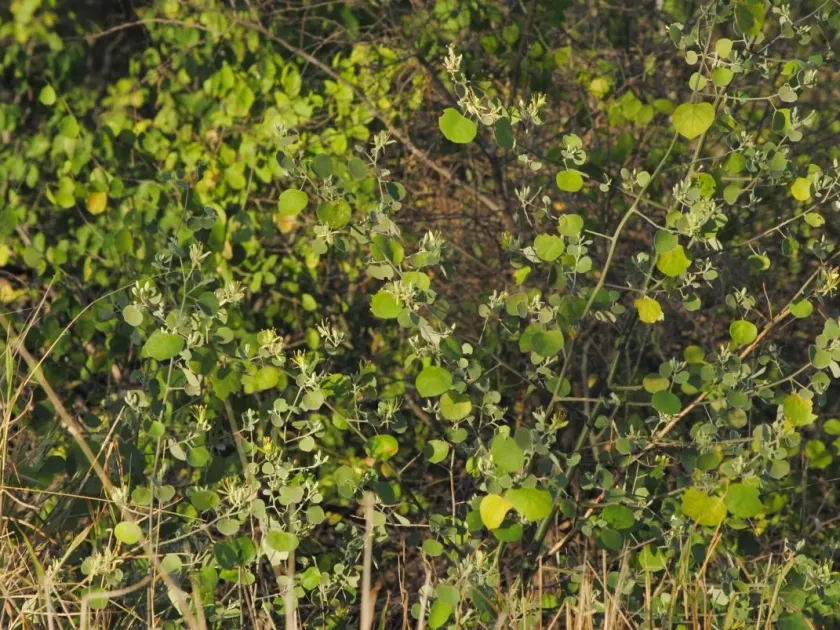
Description
Growing requirements
Capparicordis tweediana is a distinctive species within the Capparaceae family. As a shrub or small tree, it is highly valued for its resilience in warm, arid environments where other species might struggle to thrive due to water scarcity.
Originating from South America, specifically regions in Argentina, this plant has adapted to withstand high temperatures and intense solar radiation. Its morphology suggests a high tolerance for physiological drought, making it suitable for specific xeric agricultural landscapes.
The cultivation requirements focus on high light availability and well-draining soil. Providing full sun exposure is critical to ensure proper development and to stimulate the characteristic blooming that is typical for this member of the Capparaceae family.
Soil structure should be sandy or stony to prevent root moisture retention, which is the primary cause of decline in this species. Neutral to slightly alkaline pH levels are generally preferred for optimal nutrient uptake in these environmental conditions.
Agronomic management involves minimal irrigation once the plant is established. Farmers and gardeners should focus on maintaining a strict cycle of watering that mimics the natural precipitation patterns of its native habitat to keep the plant in peak condition.
Main diseases and pests
The primary threats to Capparicordis tweediana include fungal infections, specifically root and crown rot, caused by over-irrigation. Excessive moisture in the root zone creates a perfect environment for soil-borne pathogens like Phytophthora.
Pests that frequently affect this crop include spider mites and mealybugs. These insects thrive in warm, dry environments where the plant is stressed, leading to severe damage if they are not monitored and treated early in the infestation cycle.
- Regular monitoring of the foliage for webbing or white cottony masses.
- Application of horticultural oils for mild infestations.
- Using systemic insecticides for severe pest pressure.
- Maintaining adequate spacing to improve airflow around the canopy.
- Applying preventative fungicide treatments during high humidity periods.
Effective pest management relies on early detection. Because the plant is often grown in warm climates, it is vital to keep the plant vigorous through proper nutrition, as healthy plants are significantly more resistant to common pest attacks.
Ultimately, the health of Capparicordis tweediana depends on avoiding waterlogging. Protecting the plant from excessive humidity and ensuring the soil remains light and airy are the most successful strategies for preventing both diseases and pests.