
Anisocapparis speciosa
Anisocapparis speciosa
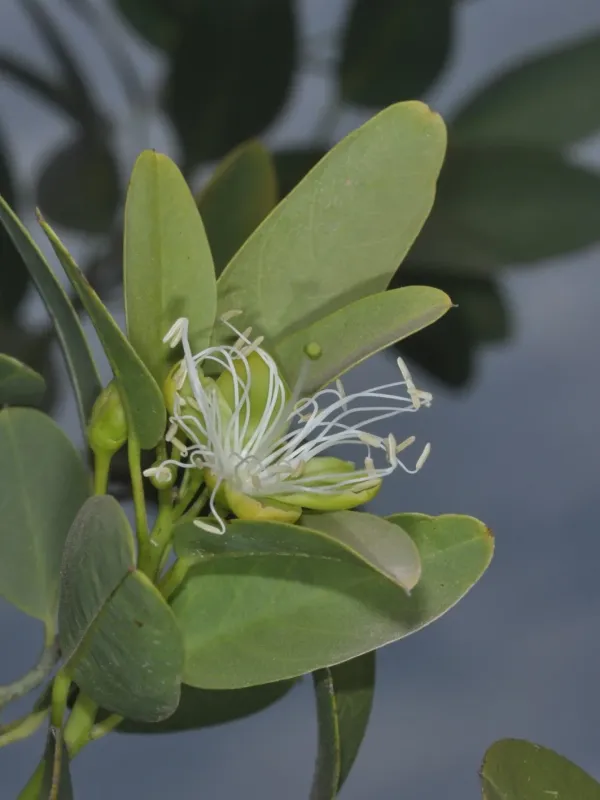
Description
Sowing dates
Anisocapparis speciosa, a member of the Capparaceae family, requires specific conditions for successful propagation. Seeds should be sown in a well-draining, sandy-loam substrate to ensure optimal development.
Before sowing, seeds often benefit from a period of cold stratification, which simulates natural seasonal changes and enhances germination rates significantly.
The ideal time for sowing is during the early spring when soil temperatures stabilize above 20°C. Shallow sowing depths are recommended to allow the emerging seedlings to reach the light quickly.
Commercial cultivation often utilizes greenhouse starting to protect delicate young seedlings. Consistent, moderate moisture is essential during the initial phase of germination.
Once seedlings have developed at least two pairs of true leaves, they can be hardened off and transplanted. This ensures the plant establishes a strong taproot, which is vital for its future resilience.
Growing requirements
This crop thrives in full sun exposure and requires a minimum of 6–8 hours of direct sunlight per day. Insufficient light levels will lead to leggy, unproductive vegetative growth.
Anisocapparis speciosa prefers well-drained, slightly alkaline soil conditions. High soil permeability is crucial, as the plant is highly susceptible to root damage from waterlogging.
The plant is remarkably drought-tolerant, making it an excellent candidate for regions with scarce water resources. It can withstand extended dry spells without significant yield loss.
Temperature management is key; the plant performs best in warm climates with temperatures between 22°C and 30°C. It should be protected from harsh winter frosts to ensure longevity.
Soil management should prioritize aeration. Regular cultivation around the base of the plant helps prevent soil compaction and ensures optimal gas exchange for the root system.
Main diseases and pests
Fungal pathogens are the primary concern for this crop, specifically those that flourish in poorly drained soil. Root rot can be fatal if the moisture level remains uncontrolled.
Spider mites represent the most common pest pressure. These insects thrive in hot, dry environments and can quickly infest foliage if not managed with proper monitoring.
Aphids can also pose a threat during the early vegetative stages, attacking soft, developing buds. Their presence can stunt overall plant vigor and reduce total output.
Integrated Pest Management (IPM) is the recommended approach for control. This includes using biological agents and ensuring plants are spaced adequately to improve airflow and reduce humidity.
Regular field scouting is essential to identify early signs of stress or infestation. Prompt action significantly reduces the need for broad-spectrum chemical interventions.