
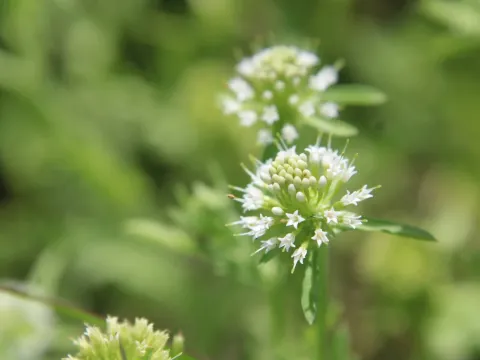
Acicarpha
Acicarpha
Sowing Acicarpha requires careful consideration of local climatic conditions, as the plant is adapted to warm environments. Seeds should be planted in well-warmed soil once the danger of late spring frosts has completely passed to ensure optimal germination rates.
What the section contains


Acicarpha
Row planting is the preferred method for commercial cultivation, allowing for efficient management of the crop canopy. Given the small size of the seeds, they should be placed at a shallow depth to ensure they receive enough light to trigger the germination process.
Proper spacing between rows is essential for the healthy development of the basal rosette, which is a characteristic feature of this plant. Dense planting may be used if the goal is to create a ground cover to suppress weed growth.
Irrigation immediately following sowing is crucial to maintain a moist environment in the top layer of the soil. Once established, the seedlings are generally robust, but early care is vital for achieving a uniform stand across the entire field.
Field preparation should include fine tillage to provide a smooth seedbed. This helps to maximize the contact between the soil and seeds, which is necessary for uniform water uptake and successful emergence of the young plants.
Acicarpha belongs to the family Campanulaceae and is native to various regions of South America. These herbaceous plants are characterized by their distinct basal leaves and small, dense inflorescences that often resemble individual flowers.
The crop thrives in full sun exposure. Adequate light intensity is required to support the metabolic activities necessary for biomass production. Sites with partial shade should be avoided as they often result in stunted growth and increased susceptibility to environmental stressors.
Soil requirements focus on well-draining textures, such as sandy loams, which prevent waterlogging. Acicarpha is sensitive to overly wet conditions, which can quickly lead to root degradation and impaired nutrient uptake from the soil matrix.
Water management is a key factor in successful cultivation. While the plant shows some tolerance to temporary dry spells, consistent moisture levels during the peak vegetative phase will lead to significantly higher yields and plant health.
Soil fertility management should involve balanced fertilization programs. Monitoring soil pH is also important, as the plant prefers neutral to slightly acidic conditions to effectively access soil minerals and trace elements.
Fungal diseases represent the most significant threat to Acicarpha crops, particularly in regions with high humidity. Root rot pathogens can cause rapid decline in plant health if drainage is inadequate or if irrigation is excessive.
Pests such as ground-dwelling insects and leaf-feeding larvae can cause localized damage during the early growth stages. Integrated pest management (IPM) practices, including biological controls, are effective in maintaining damage below economic thresholds.
Powdery mildew may occur if planting densities are too high, reducing air circulation within the canopy. Managing plant spacing and ensuring good ventilation are proactive steps that help prevent the rapid spread of this fungal condition.
Slugs and snails can be problematic, especially in cool and wet seasons. These pests target young leaves and can destroy entire seedlings if left unchecked; thus, scouting and early intervention are essential for protecting the crop.
Viral infections, often transmitted by aphids or whiteflies, pose a long-term risk. Implementing strict sanitation practices, such as removing affected plant material and controlling insect vectors, is vital for the long-term success of the field.