
Wintersweet
Chimonanthus praecox (L.) Link
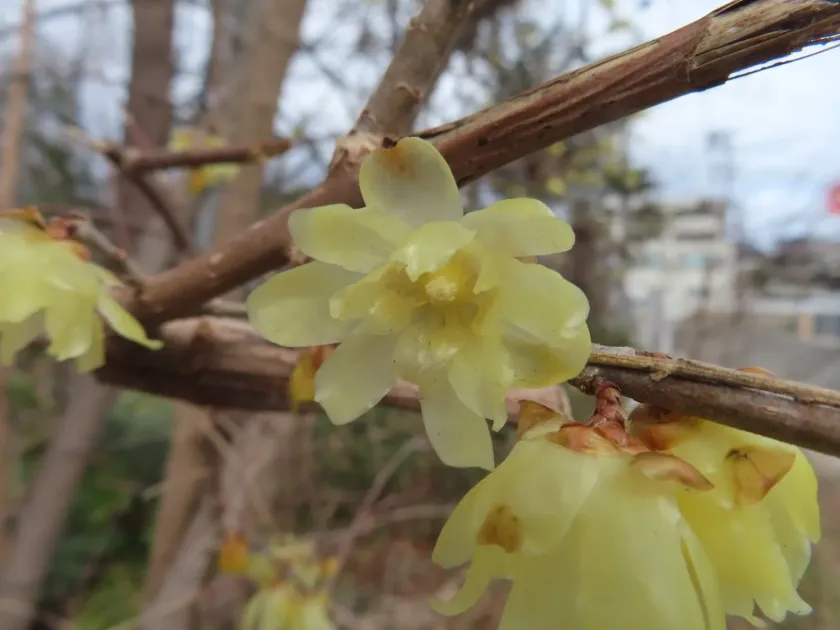
Description
Sowing dates
Propagation of Chimonanthus praecox is typically achieved through seeds sown in autumn or by taking semi-hardwood cuttings in summer. Fresh seeds offer the highest germination rates.
Seeds sown in spring require a period of cold stratification for about two months to break dormancy. Soaking seeds in warm water for 24 hours prior to sowing can also improve results.
When using cuttings, select healthy shoots from the current season. Treat them with a rooting hormone and place them in a well-draining potting medium under high humidity.
Maintaining a stable temperature around 20-22 degrees Celsius during the rooting phase is crucial for success. Once roots are established, the plants should be gradually acclimatized.
Transplanting into the garden should occur after the last frost of the season. Ensure that the young plants are well-spaced to allow for sufficient airflow as they mature.
Growing requirements
Wintersweet belongs to the Calycanthaceae family and is prized for its highly fragrant, yellow flowers that bloom on bare stems in winter. It is native to temperate forests in China.
The plant thrives in full sun but requires protection from harsh, drying winds. A warm spot against a south-facing wall is often ideal for ensuring optimal blooming in cooler climates.
Soil should be fertile, moist, and well-drained. The species does not tolerate waterlogged conditions, so heavy clay soils should be amended with organic matter or gravel.
Maintenance includes regular watering during the first few growing seasons. Once established, the plant becomes reasonably drought-tolerant but performs best with consistent moisture.
Pruning is essential and should be done immediately after the flowering period concludes. Cut back flowered stems to encourage the growth of new wood, as flowers appear on the previous season's growth.
Main diseases and pests
Chimonanthus praecox is generally robust and free from serious pests. However, poor drainage can lead to root rot, which is the most common physiological threat to the shrub.
Fungal infections such as leaf spots can occur during periods of prolonged high humidity. Improving ventilation and clearing debris from around the base helps mitigate this risk.
Aphids may occasionally infest the foliage, particularly in the spring. If populations become significant, they can be managed using insecticidal soaps or neem oil treatments.
Spider mites can be an issue during dry, hot summers. Regular misting of the leaves and ensuring the plant is not under extreme water stress can prevent outbreaks of these pests.
Integrated pest management involves routine scouting of the plant during the growing season. Maintaining plant vigor through proper fertilization is the best way to prevent damage.