
Okoume
Aucoumea klaineana Pierre
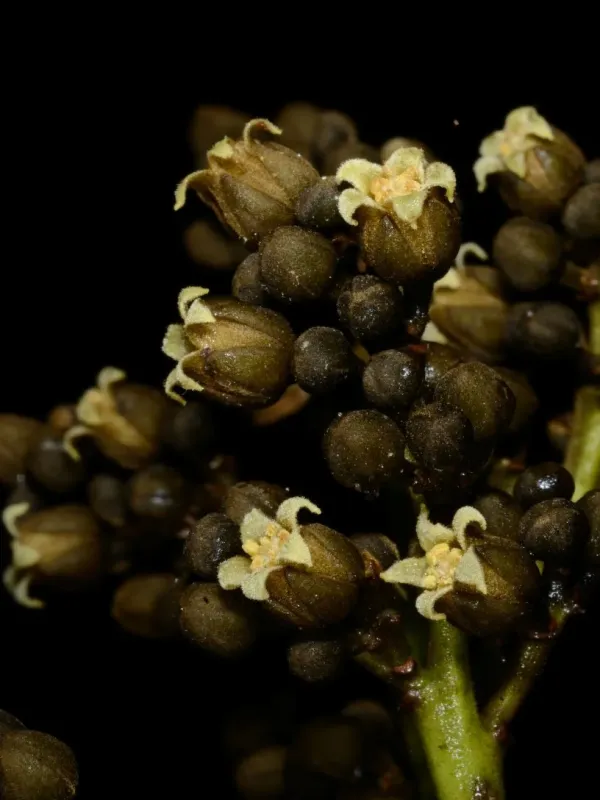
Description
Growing requirements
Aucoumea klaineana, commonly referred to as Okoume, belongs to the Burseraceae family. It is a large, light-demanding tree native to the tropical rainforests of Central Africa, particularly in Gabon.
The species requires a humid tropical climate with abundant rainfall, typically ranging from 1500 mm to over 3000 mm per year. Consistent high temperatures are necessary throughout the year for its survival and optimal wood development.
Soil requirements include deep, well-drained, and nutrient-rich substrates. While it can grow in various soil types, it thrives best in slightly acidic, sandy clay soils that allow the taproot to penetrate deeply into the ground.
Agrotechnical management focuses on thinning operations to ensure young saplings have access to direct sunlight. Without proper light management, the growth rate of this species slows down, and the stems become less straight.
The primary economic application of Okoume is the production of high-grade plywood and decorative veneers. Its wood is highly prized for its consistency, low density, and ease of gluing, making it a staple in global interior design.
Main diseases and pests
Fungal diseases are a significant threat in nurseries and young plantations, often exacerbated by stagnant air and high humidity. Proper sanitation and spacing are recommended to mitigate these risks effectively.
Stem-boring insects can cause extensive damage to the logs, creating tunnels that render the wood unsuitable for premium veneer production. Pest monitoring programs are vital to protect the economic integrity of the stand.
Climatic stress during the initial years of growth can lead to suppressed development. Although the species is resilient, extreme weather fluctuations impact the annual growth ring consistency and wood quality.
Invasive lianas and secondary vegetation can overwhelm young trees. Mechanical clearing is an essential silvicultural practice to ensure the tree maintains its apical dominance and trunk quality.
Illegal deforestation and unsustainable logging practices represent the largest long-term threats to the wild populations of Aucoumea klaineana, requiring strict conservation management.