
Myriopus maculatus
Myriopus maculatus
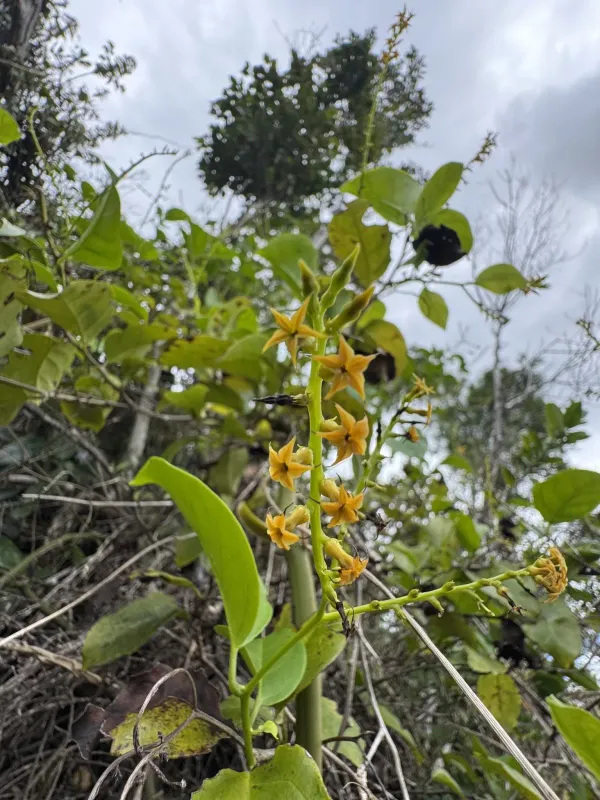
Description
Growing requirements
Myriopus maculatus is a perennial woody plant belonging to the Boraginaceae family. Originating from the tropical regions of the Americas, this species is noted for its adaptability to moist, shaded forest environments.
Successful cultivation requires a climate that mimics its natural tropical habitat, characterized by warm temperatures and high relative humidity. It is sensitive to frost and extreme temperature shifts, requiring greenhouse conditions in temperate zones.
The soil profile for this plant must be rich in organic matter, well-draining, and slightly acidic. Proper soil aeration is critical, as the roots are susceptible to asphyxiation in compacted or heavy clay soils.
Water management is the cornerstone of its agronomy. Irrigation should be consistent, providing enough moisture to support growth while ensuring that excess water drains away to prevent pathogenic root decay.
The plant thrives under filtered light conditions. In agricultural setups, shading nets are often used to protect the canopy from direct scorching sunlight, ensuring stable development of the foliage throughout the vegetative cycle.
Main diseases and pests
The primary threats to Myriopus maculatus in a controlled environment are fungal diseases favored by stagnant air and excess humidity. Leaf spot diseases are commonly observed when ventilation is inadequate.
Insect pests such as spider mites and whiteflies can significantly impede growth by feeding on plant sap. Integrated pest management (IPM) strategies, including biological controls, are highly recommended to keep populations in check.
Root pathogens represent a lethal risk if the substrate remains waterlogged for extended periods. Implementing a strict watering schedule based on soil moisture monitoring is a key preventive measure against root rot.
Regular sanitation of the growing area is essential. Removing fallen leaves and infected tissues prevents the buildup of inoculum that could otherwise lead to seasonal outbreaks of disease.
For chemical intervention, only approved fungicides and insecticides should be used, with careful attention to the plant's tolerance levels to prevent phytotoxicity during the treatment process.