
Myriopus microphyllus
Myriopus microphyllus
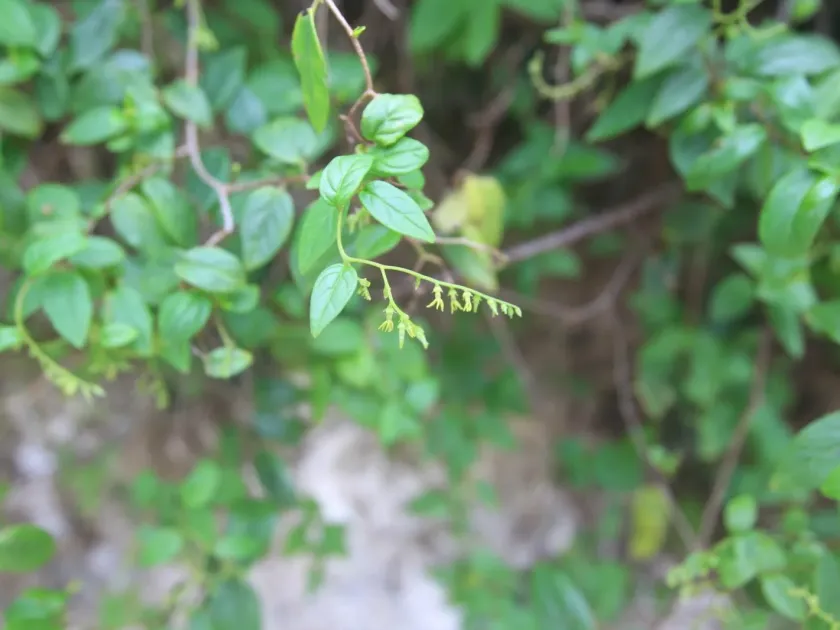
Description
Growing requirements
Myriopus microphyllus belongs to the Boraginaceae family and is recognized as a distinctive shrubby species. This plant is characterized by its small, dense foliage and a complex branching habit that allows it to thrive in specific ecological niches.
Native to the Caribbean and Central American regions, the plant is typically found in well-drained habitats such as rocky outcrops and open dry forests. Its natural distribution is closely tied to frost-free environments and high solar radiation.
In terms of soil requirements, the crop demands high aeration and a neutral to slightly alkaline pH. Compacted or waterlogged soils are detrimental to its health, as the root system requires significant oxygen exchange to prevent the development of fungal pathogens.
Climatic adaptability is limited to tropical and subtropical zones. The plant requires temperatures consistently above 15 degrees Celsius for metabolic functions. Excessive humidity in combination with low temperatures can lead to physiological disorders.
Agricultural use focuses on the extraction of secondary metabolites for biochemical research and traditional medicinal practices. Proper management of the harvest cycle is essential to maximize the yield of target phytochemicals contained within the leaves and stems.