
Myosotidium
Myosotidium hortensia
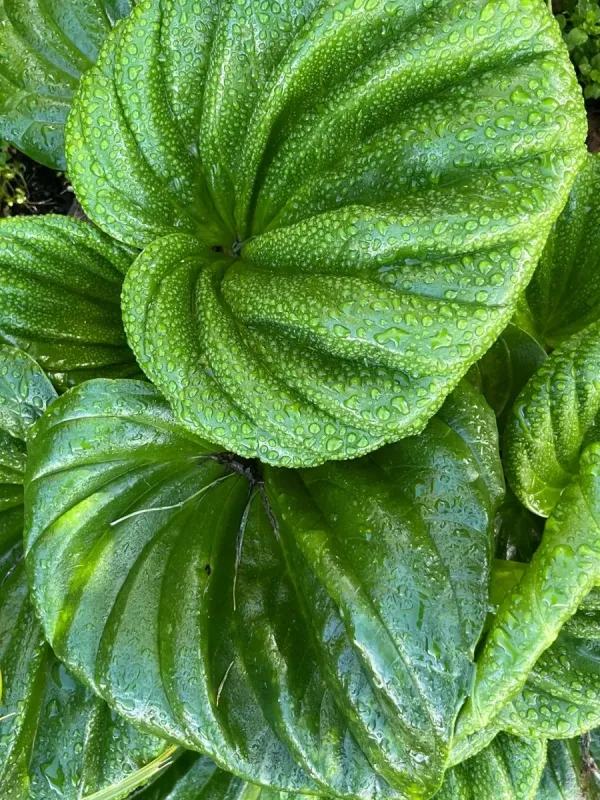
Description
Sowing dates
Myosotidium hortensia, commonly known as the Chatham Island forget-me-not, is a perennial plant typically propagated through fresh seeds for better germination rates.
It is critical to sow the seeds immediately after harvest, as their viability decreases significantly if they are stored in dry conditions for an extended period.
A period of cold stratification is highly recommended to mimic the natural cool climate of the Chatham Islands, which helps break seed dormancy effectively.
For best results, seeds should be sown in late winter or early spring in a well-draining, peat-based seed starter mix under cool greenhouse conditions.
The seeds should be covered lightly with a thin layer of grit or compost, maintaining a constant, cool moisture level until germination occurs, which may take several weeks.
Growing requirements
As a member of the Boraginaceae family, this species is native to the coastal regions of the Chatham Islands and thrives in maritime climates with cool summers.
The plant requires a sheltered position in the garden with partial shade, as intense afternoon sunlight can cause rapid dehydration and scorched leaf margins.
Soil structure is paramount; the plant demands a deep, rich, and well-draining soil that is kept consistently moist but never waterlogged to ensure root health.
It is exceptionally sensitive to heat and drought, which means that growers in warmer regions must provide a cool root zone through heavy mulching and frequent irrigation.
Coastal plants like this also benefit from high humidity levels and excellent air circulation, avoiding stagnant air that can harbor common greenhouse pests.
Main diseases and pests
Snails and slugs represent the most significant threat to Myosotidium, as they are highly attracted to the large, succulent leaves and can defoliate a plant overnight.
Root rot is a major physiological and pathological threat caused by poorly drained soil or frequent water stagnation around the crown of the plant.
Aphids can occasionally infest the flower stalks, particularly during the flowering season, and should be managed with organic soaps or gentle sprays if detected early.
Fungal leaf spots may occur if the foliage remains wet for extended periods in environments with poor ventilation or high humidity levels during the cooler seasons.
Effective management includes maintaining a clean growing area, using barrier methods for gastropods, and ensuring the crown of the plant is kept slightly elevated.