
Mountain houndstongue
Cynoglossum montanum
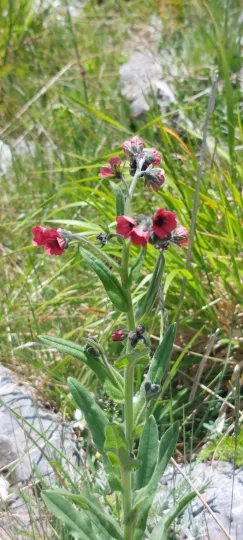
Description
Sowing dates
Sowing of mountain houndstongue is typically performed in the spring season once the danger of frost has passed and soil temperatures reach appropriate levels. Because the seeds possess natural dormancy, they require cold stratification to ensure uniform germination, a process often carried out in nurseries before planting.
The seeds are placed in rows spaced 50 to 60 centimeters apart to allow for proper plant development and mechanical cultivation access. A shallow planting depth of approximately 1 to 2 centimeters is crucial, as deeper burial can significantly reduce the emergence rates of the seedlings.
Growing requirements
Mountain houndstongue belongs to the Boraginaceae family and thrives in well-drained, lime-rich soils. It prefers locations with good sun exposure, as shade can negatively impact the plant's overall growth and the synthesis of its phytochemical compounds during the active vegetative phase.
The plant demonstrates significant tolerance to periodic drought, making it suitable for regions with limited rainfall during the summer months. However, consistent soil moisture is required during the initial germination and establishment stages to support the growth of its deep taproot system.
Soil management should focus on maintaining a neutral to slightly alkaline pH, which facilitates the optimal uptake of essential nutrients. Regular weeding is mandatory, especially during the first year, as the plant grows slowly and can be easily outcompeted by more aggressive weed species.
Main diseases and pests
Common phytopathological risks include fungal infections like powdery mildew, which can spread rapidly in dense, poorly ventilated stands. Maintaining appropriate plant spacing and removing crop debris at the end of the season are effective cultural practices to minimize these risks.
In terms of pests, the plant may be susceptible to aphids and leaf-eating beetles, which can cause significant damage to the foliage. Biological pest management strategies, such as introducing beneficial predatory insects, are preferred over synthetic chemical treatments to maintain the quality of the harvested botanical raw material.