
Myosotis balbisiana
Myosotis balbisiana
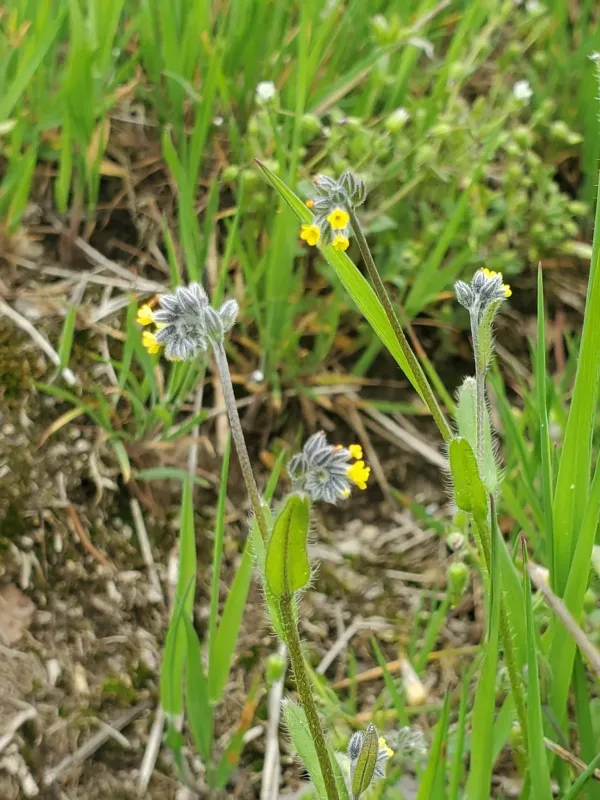
Description
Sowing dates
Myosotis balbisiana is a member of the Boraginaceae family, often recognized for its specific habitat requirements. As a crop with specialized needs, it thrives in moist, well-drained soils that mimic its native Mediterranean-influenced environment.
The sowing process begins by preparing a fine seedbed. Given that the seeds are relatively small, they should be sown at a very shallow depth, barely covering them with a light layer of soil or substrate. This allows for sufficient light exposure, which is crucial for the germination of this species.
Spring sowing is generally preferred in temperate regions once the danger of hard frost has passed. Autumn sowing is also an option in milder climates, as it can help seeds benefit from a natural period of cold stratification, leading to more uniform germination in the following spring.
Planting density should be managed to ensure adequate airflow. Spacing plants approximately 15 to 20 centimeters apart prevents overcrowding, which is a major factor in reducing disease pressure within the crop stand.
Moisture management during the germination phase is critical. Maintaining a consistent moisture level in the upper soil layer, without causing waterlogging, ensures that the sensitive seeds have the best chance for successful development.
Growing requirements
Myosotis balbisiana prefers cool to moderate temperatures and a high-humidity environment. It performs best in locations with partial shade, especially in areas where summer heat becomes intense, as direct sun can scorch the foliage.
Soil structure is vital for this plant. A fertile, loamy soil enriched with well-rotted organic matter is ideal. It requires a neutral to slightly acidic pH, and excellent drainage is non-negotiable to prevent root rot in wet conditions.
The crop requires regular but careful irrigation. Drip irrigation is often the most efficient method, as it delivers water directly to the root zone while keeping the foliage dry, which helps prevent the development of foliar fungal pathogens.
Nutrient requirements are moderate. Applying a balanced liquid fertilizer during the early stages of growth supports vigorous development. However, excessive nitrogen should be avoided to prevent leggy growth and to maintain the plant's natural compact shape.
Mulching is a highly recommended practice for this crop. Using organic mulch helps regulate soil temperature, retain essential moisture during dry spells, and suppress weed growth, which is necessary to minimize competition for nutrients.
Main diseases and pests
The primary threats to Myosotis balbisiana are fungal infections, such as powdery mildew and various leaf spot diseases, especially in seasons with high humidity or poor ventilation. Maintaining hygiene in the growing area is the first line of defense.
Pests like aphids can quickly colonize the succulent stems and leaves, causing distortion and overall plant stress. Regular monitoring and the application of insecticidal soaps or biological controls are recommended if pest populations exceed threshold levels.
Slugs and snails are particularly problematic for young seedlings, as they can consume the entire plant overnight. Implementing physical barriers such as crushed eggshells or copper tape can be effective in protecting young stands from these pests.
Root rot caused by waterlogging is a silent threat that can destroy a crop before symptoms become visible above ground. Ensuring that the soil structure is friable and well-draining is the primary method of preventing this condition.
At the end of the growth cycle, cleaning the plot thoroughly is essential. Removing all debris prevents the buildup of pathogens in the soil, ensuring that subsequent crops are not exposed to the same disease risks from the previous season.
Harvesting
Harvesting for this species is typically focused on seed collection or gathering decorative biomass, depending on the intended use. Seed collection should be performed when the pods begin to turn brown and dry, but before they shatter to disperse their contents naturally.
For seed production, the inflorescences should be cut carefully with clean, sharp shears. This prevents unnecessary damage to the main plant body and ensures that the material is of high quality for future planting cycles or storage.
After harvesting, the material should be spread in a thin layer in a well-ventilated, dry, and cool area. This process allows the seeds to finish maturing and prevents the formation of mold during the drying stage.
Once completely dry, the seeds can be threshed, cleaned of debris, and stored in airtight containers. Proper storage in a cool, dark environment maintains seed viability for several years.
If harvesting for decorative purposes, stems should be cut during the peak flowering stage. Immediate placement in water or proper conditioning is necessary to maintain the freshness and visual appeal of the cut stems.