
Moltkia suffruticosa
Moltkia suffruticosa
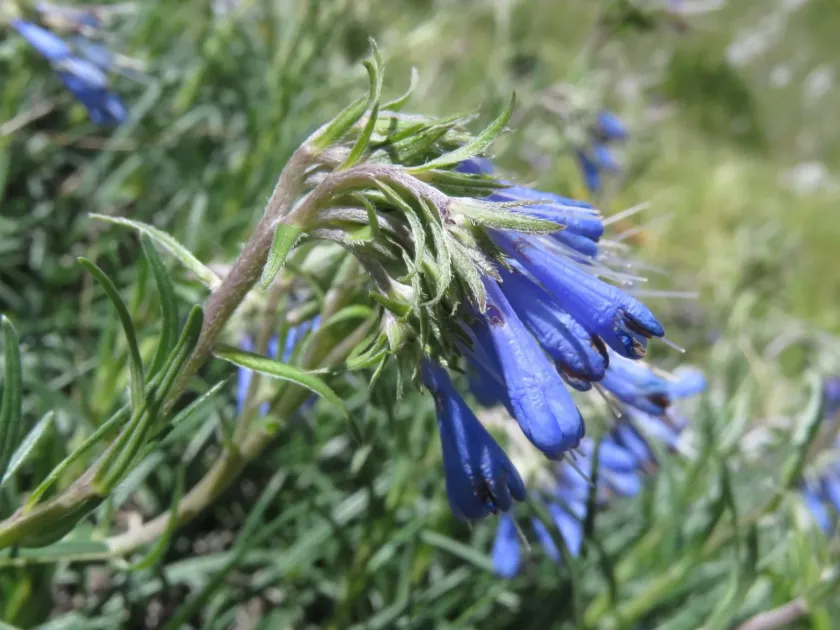
Description
Sowing dates
Propagation of Moltkia suffruticosa is most commonly performed through seeds or stem cuttings. Seeds are sown in prepared soil during the spring, after the threat of frost has passed and the ground has warmed up sufficiently.
When sowing seeds, a period of cold stratification is highly recommended to increase germination rates. This mimics natural winter conditions, which is crucial for the successful sprouting of this particular species.
Cuttings are taken during the summer months, utilizing semi-hardwood shoots from the current season. These should be placed in a light, well-draining substrate mixed with horticultural sand to ensure proper rooting conditions.
Selecting the right site is paramount: the plant thrives in full sun with protection from strong winds. Because the species generally dislikes being moved, it is best to plant it in its permanent location immediately after propagation.
Plant spacing should be calculated based on the mature size of the shrub. A distance of 30-40 centimeters between individual plants is generally sufficient to promote healthy airflow and discourage disease.
Growing requirements
Moltkia suffruticosa belongs to the Boraginaceae family. It is a perennial shrub native to mountainous regions of the Mediterranean, typically found growing in limestone rock crevices.
The plant has specific soil requirements; it demands light, exceptionally well-drained soil with a healthy level of calcium. Heavy clay soils that retain moisture are generally fatal to its root system.
While the culture is relatively drought-tolerant once established, it requires moderate watering during the active growing season. During its dormant phase, it is essential to avoid any excess moisture around the base of the plant.
For optimal health, the soil pH should be neutral to slightly alkaline. In acidic soil conditions, the plant may show signs of stress, requiring the addition of lime or dolomite to adjust the chemical balance.
In colder climates, the plant may benefit from light winter protection, despite having moderate hardiness. Protecting the root crown from excessive wetness during the autumn and winter is the most critical maintenance task.
Main diseases and pests
The primary threats to Moltkia suffruticosa are fungal diseases caused by excess humidity in the soil or surrounding atmosphere. Root rot is the most common cause of plant failure in garden settings.
To prevent the development of pathogens, growers must strictly regulate watering intervals and avoid planting too closely together. Proper ventilation is the best natural defense against most fungal infections.
Insect pests that target tender young foliage are the most significant animal threats. If early signs of infestation appear, biological controls or targeted insecticides should be used promptly to mitigate damage.
Stagnant air conditions may lead to outbreaks of powdery mildew. Implementing preventative fungicidal treatments at the start of the growing season is a effective strategy for preserving the plant's aesthetic quality.
The plant is generally not a favorite for large pests; however, slugs can occasionally cause mechanical damage to young shoots during wet weather, making the use of simple physical barriers or traps advisable.