
Cochlospermum gillivraei
Cochlospermum gillivraei
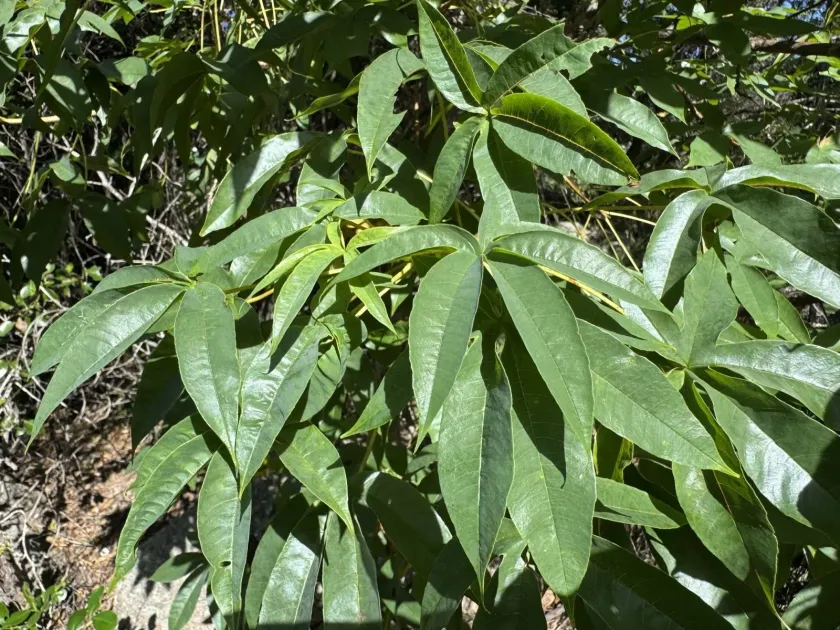
Description
Growing requirements
Cochlospermum gillivraei is a distinct member of the Bixaceae family, originating from the tropical regions of Australia and surrounding islands.
The plant is categorized as a deciduous tree that flourishes in tropical climates where there is a clear distinction between wet and dry seasons.
For successful cultivation, the species requires well-drained soil, often thriving in rocky or sandy substrates that are unsuitable for other crops.
Botanically, the tree is recognized for its impressive showy flowers which typically emerge while the branches are devoid of leaves.
It has an extremely low tolerance for waterlogging, making proper soil preparation and drainage essential for maintaining long-term plant health.
Yield
The primary economic value of Cochlospermum gillivraei lies in the fibrous material contained within its mature seed pods, often used as a sustainable filler.
The fibers are prized for their hydrophobic properties, which makes them highly suitable for buoyancy applications like life vests and specialized insulation.
The tree also holds significance in indigenous ethnomedicine, where various extracts from the bark and roots are processed for therapeutic use.
Harvesting efficiency is a key factor in agricultural planning, as the pods must be collected at the precise stage of maturity to maximize fiber quality.
Industrial demand for natural, biodegradable fibers may further incentivize the establishment of dedicated plantations in suitable tropical zones.
Main diseases and pests
Root rot represents the most significant agronomic threat, occurring almost exclusively when the plant is subjected to poor soil drainage conditions.
Insect pests, including various caterpillars and leaf-chewing beetles, can cause localized damage to the canopy during the onset of the rainy season.
Termite infestation is a critical risk for mature wood, necessitating proactive site management and regular monitoring of the tree's trunk integrity.
Fungal pathogens may compromise the health of the bark if the surrounding humidity remains consistently too high without adequate air circulation.
Integrated Pest Management (IPM) strategies, including the use of biological controls, are recommended to protect the trees while ensuring crop safety.