
Scybalium
Scybalium
Scybalium is a genus of perennial plants belonging to the family Balanophoraceae. These plants are unique in that they are obligate root parasites, meaning they lack chlorophyll entirely and are incapable of photosynthesis. They derive all necessary energy and nutrients by attaching themselves to the roots of host plants.
What the section contains

Scybalium
The native habitat of this genus is concentrated in the tropical rainforests of Central and South America. They are most commonly found in Brazil, thriving in humid forest environments where they grow in the dense shade beneath the canopy, interacting closely with the root systems of various woody species.
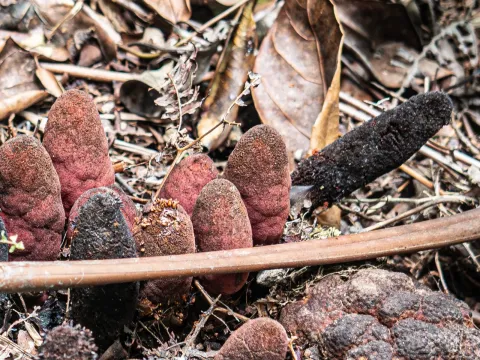
Botanically, Scybalium is characterized by its fleshy, often colorful inflorescences that emerge from the ground, frequently resembling fungi. The rest of the plant body remains embedded within the tissues of the host root, making them difficult to observe except during the flowering season when the reproductive organs appear above the soil.
Environmental requirements for Scybalium include high atmospheric humidity and constant soil moisture levels, which are typical for tropical biomes. They are highly sensitive to sunlight exposure, preferring deep shade, and rely on the physiological health of their hosts to sustain their growth and reproductive cycles.
It is important to note that Scybalium is not an agricultural crop and holds no significance for commercial cultivation. The plant is of interest solely within the field of botany and plant biology due to its specialized parasitic lifestyle, which necessitates intact tropical ecosystems to survive.