
Sweet wormwood
Artemisia apiacea
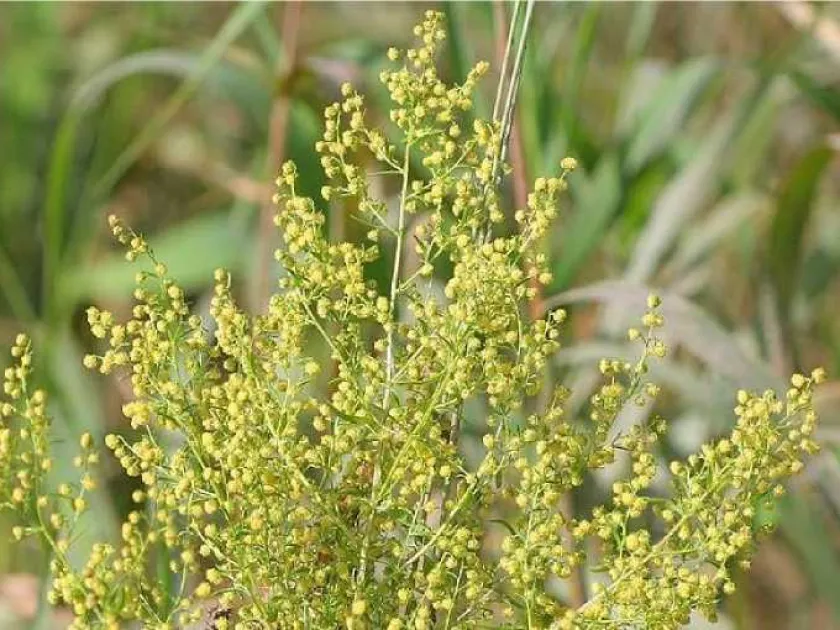
Description
Sowing dates
Sweet wormwood, botanically known as Artemisia apiacea, is a fast-growing annual plant of the Asteraceae family. Sowing usually begins in early spring once the danger of severe frost has passed.
Due to the extremely small size of the seeds, they are often mixed with sand or fine soil to ensure an even distribution during the sowing process.
The seeds require light to germinate; therefore, they should be lightly pressed into the soil surface rather than buried deep into the ground.
Row spacing is typically kept between 50 and 70 centimeters to allow for efficient weeding and to ensure that each plant has enough space to branch out.
In regions with shorter growing seasons, starting plants indoors in trays and transplanting them after the last frost is a proven strategy for maximizing biomass.
Growing requirements
This crop thrives in well-drained, sandy loam soils with a neutral pH level, which helps prevent root-related issues and supports consistent growth.
Artemisia apiacea is a highly photophilous plant, meaning it requires full sun exposure for at least 6 to 8 hours daily to reach its full medicinal potential.
While the plant is relatively drought-tolerant once established, supplemental irrigation during the seedling stage is essential for uniform crop development.
Avoid planting in areas prone to waterlogging, as excessive soil moisture can lead to root rot and decrease the concentration of essential oils in the foliage.
Adequate air circulation is a key environmental requirement to prevent the buildup of fungal spores and to ensure strong, healthy stalk formation.
Yield
The total yield of the crop depends on the timing of the harvest relative to the plant's phenological stage, specifically focusing on the pre-flowering period.
Optimal crop density and soil fertility management are the primary drivers of yield, often resulting in significant tonnage of biomass per hectare.
Because the plant is valued for its artemisinin content, growers often employ specific cultivation techniques that stress the plant slightly to encourage higher secondary metabolite production.
Regular maintenance, including weeding and thinning, ensures that the yield consists of high-quality leaf material rather than woody stalks.
Successful producers analyze the leaf-to-stem ratio at harvest time to maximize the efficiency of their extraction processes later in the production chain.
Main diseases and pests
Common agricultural threats include aphids, which cluster on the tender tips of the plants, and spider mites that thrive in dry, hot weather conditions.
Fungal diseases, such as powdery mildew, often manifest as a white coating on the leaves and can spread rapidly if humidity levels are not controlled.
Integrated Pest Management (IPM) strategies are highly recommended for this crop, prioritizing biological controls over broad-spectrum chemical pesticides.
Crop rotation is crucial; planting sweet wormwood in the same field for consecutive years increases the risk of soil-borne diseases and pest buildup.
Regular field scouting allows for the early detection of threats, making it possible to address issues before they cause significant economic loss.
Harvesting
Timing the harvest is critical; the leaves and upper stems should be cut just as the flower buds begin to form but before the flowers open.
Mechanical harvesters are frequently used in large-scale operations to mow the crop efficiently, ensuring the harvest is completed quickly to avoid leaf degradation.
Immediately after harvesting, the biomass must be dried in a ventilated, shaded area to prevent the fermentation of the plant material.
The drying process is complete when the leaves are brittle and can be easily stripped from the stems for processing into extracts or tea.
- Ensure the drying temperature stays below 45 degrees Celsius.
- Use moisture-proof containers for storage to maintain potency.