
Picrosia longifolia
Picrosia longifolia
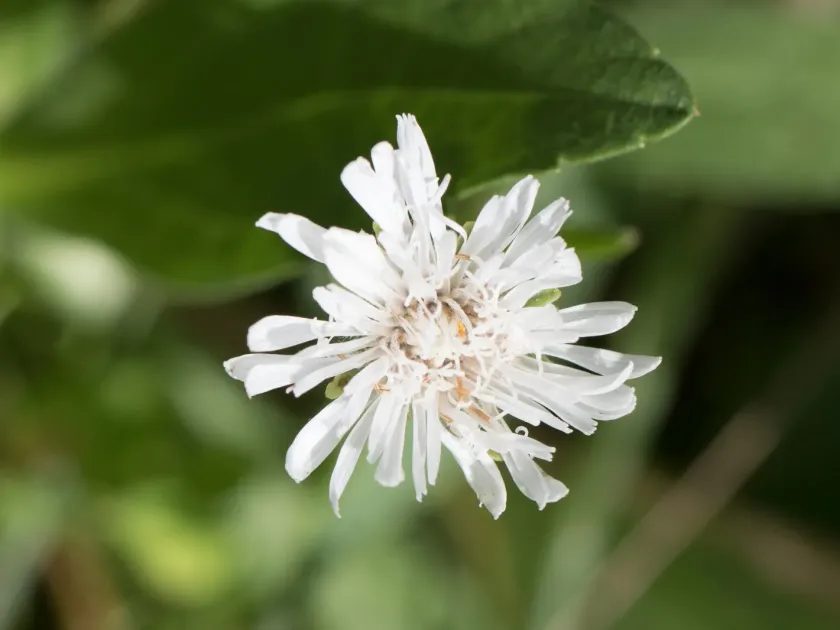
Description
Sowing dates
Picrosia longifolia, a member of the Asteraceae family, is a perennial herbaceous plant that requires precise sowing conditions for optimal germination. In its natural habitat, the seeds rely on seasonal temperature changes, a cycle that must be carefully replicated during controlled cultivation.
For successful germination, seeds should be sown in a well-drained, nutrient-rich substrate while maintaining a consistent temperature. Providing a warm environment helps the seeds break dormancy and initiate the rooting process efficiently.
Seed depth is a critical factor; covering the seeds with a thin layer of soil, no more than 1-2 centimeters, ensures adequate oxygen availability. Proper spacing during sowing is essential to prevent overcrowding and to promote healthy leaf rosette development.
If sowing directly into an outdoor environment, it is necessary to wait until the risk of frost has completely passed. Using protective coverings or mulching can help stabilize the soil temperature and prevent the formation of a surface crust that could hinder seedling emergence.
Regular monitoring of moisture levels during the germination phase is vital. The soil should remain consistently moist but not waterlogged, as excessive water can lead to seed rotting before the germination process completes.
Growing requirements
Picrosia longifolia thrives in locations with bright, indirect light, as direct exposure to harsh midday sun can lead to leaf scorching. Providing light shading during peak sunlight hours is recommended to maintain optimal plant health.
The ideal soil composition is light, fertile, and slightly acidic or neutral in pH. Excellent drainage is non-negotiable for this species, as waterlogged roots are highly susceptible to fungal infections and rapid decay.
Maintaining a stable temperature range between 18 and 24 degrees Celsius is ideal for vigorous growth. The plant is sensitive to abrupt environmental changes, so protecting it from strong, cold winds is important for its overall development.
Fertilization should be balanced, focusing on phosphorus and potassium to strengthen structural tissue. High-nitrogen fertilizers should be used sparingly to avoid excessive, weak vegetative growth that may decrease the quality of the harvested biomass.
Irrigation management requires a balanced approach, allowing the top layer of the soil to dry slightly between waterings. This prevents the stagnation of water and encourages deeper root penetration, which enhances the plant's resistance to environmental stress.
Yield
The economic value of Picrosia longifolia is primarily derived from its biomass, which is utilized in pharmacological and decorative applications. Yield is significantly impacted by the strict adherence to agronomic practices and soil fertility management.
Under intensive farming systems, the biomass yield can reach significant levels, making the culture an attractive option for specialized agricultural production. High-quality seeds and optimized planting density are key contributors to maximizing the yield per hectare.
Harvesting is usually done in multiple stages throughout the vegetative season. Regular pruning and harvesting of the mature leaves stimulate the plant to branch out, promoting further growth and increasing the total amount of biomass produced.
Environmental factors such as light availability and nutrient balance directly dictate the yield output. Consistent monitoring allows for real-time adjustments in irrigation and fertilization, ensuring the plants stay productive for as long as possible.
Optimizing plant density helps manage the limited resources of the soil, ensuring that every plant has enough space to reach its growth potential without competing excessively with neighboring crops for nutrients or light.
Main diseases and pests
The primary threats to Picrosia longifolia include root rot and Fusarium wilt, which typically arise from overwatering or poorly drained soil. These pathogens target the vascular system, leading to rapid plant decline and death if left untreated.
Powdery mildew is a common issue when air circulation is poor and humidity levels are consistently high. Managing the microclimate around the plants is essential for reducing the risk of fungal outbreaks in the greenhouse or field.
Pests such as aphids and spider mites are frequent nuisances during hot and dry spells. These insects feed on plant sap, leading to distorted foliage and an overall reduction in the plant's metabolic activity and immune strength.
Integrated pest management (IPM) is the recommended approach, emphasizing the use of biological controls and regular field monitoring. Reducing the reliance on chemical pesticides preserves the natural ecosystem and improves product safety.
Preventative measures, such as implementing strict crop rotation protocols and regular cleaning of farming tools, are essential to minimize the risk of spreading soil-borne diseases and maintaining the long-term health of the plantation.
Harvesting
Harvesting should be conducted during the peak flowering phase when the concentration of biologically active compounds is at its highest. It is best to perform the harvest on a dry, sunny day to prevent moisture buildup in the collected material.
Precision tools should be used for cutting, ensuring that they are sanitized to prevent infection at the cutting site. The harvest height must be managed carefully to ensure the crown of the plant remains undamaged, allowing for regrowth.
Immediately after harvest, the biomass must be transferred to a shaded, well-ventilated area for the drying process. Avoiding direct sun exposure during this stage is crucial to preserve the essential chemical profile of the plant tissue.
Once dried, the product should be stored in airtight containers that provide protection from moisture, heat, and external odors. Maintaining a cool, dark storage environment is key to ensuring a long shelf life for the dried material.
Rigorous adherence to post-harvest processing protocols is what distinguishes high-quality medicinal or technical biomass. By controlling the drying and storage conditions, producers can ensure the final product retains its therapeutic properties and market value.